Hidden Damage From Diabetes

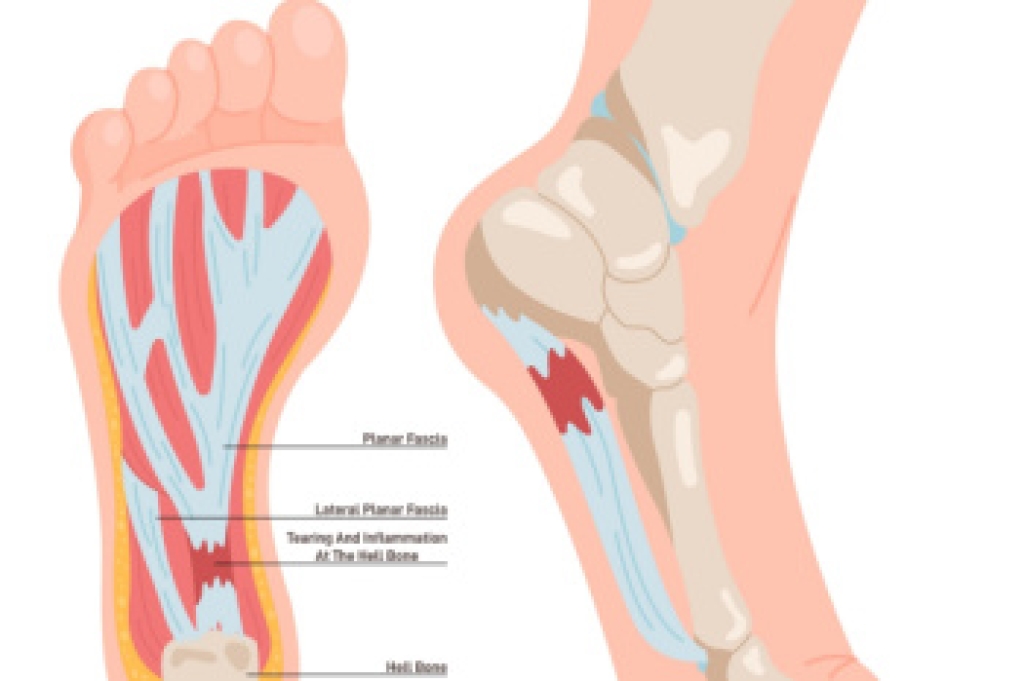
Diabetic foot disease refers to a group of serious foot problems that develop when diabetes affects circulation, nerve function, and the body’s ability to heal properly. Reduced feeling in the feet may prevent people from noticing cuts, blisters, pressure sores, or injuries before they become severe. Poor blood flow can also slow healing and increase the risk of infection. Many patients first notice numbness, tingling, swelling, skin discoloration, or changes in foot shape. Without treatment, these problems may lead to deep infections, tissue damage, or ulcers, which are open sores that can become difficult to heal. A podiatrist can examine the feet for early warning signs, evaluate circulation and nerve function, treat wounds, and help reduce pressure that contributes to skin breakdown. Ongoing diabetic foot care may lower the risk of serious complications and improve long-term foot health. If you have diabetes and notice changes in your feet, it is strongly suggested that you visit a podiatrist for care.

Diabetic foot care is important in preventing foot ailments such as ulcers. If you are suffering from diabetes or have any other concerns about your feet, contact Theresa Brown, DPM from Essie M.B. Smith Foot Clinic. Our doctor can provide the care you need to keep you pain-free and on your feet.

Diabetic Foot Care

Diabetes affects millions of people every year. The condition can damage blood vessels in many parts of the body, especially the feet. Because of this, taking care of your feet is essential if you have diabetes, and having a podiatrist help monitor your foot health is highly recommended.

The Importance of Caring for Your Feet

  • Routinely inspect your feet for bruises or sores.
  • Wear socks that fit your feet comfortably.
  • Wear comfortable shoes that provide adequate support.

Patients with diabetes should have their doctor monitor their blood levels, as blood sugar levels play such a huge role in diabetic care. Monitoring these levels on a regular basis is highly advised.

It is always best to inform your healthcare professional of any concerns you may have regarding your feet, especially for diabetic patients. Early treatment and routine foot examinations are keys to maintaining proper health, especially because severe complications can arise if proper treatment is not applied.

If you have any questions, please feel free to contact our office located in Montgomery, AL . We offer the newest diagnostic and treatment technologies for all your foot care needs.

Read more about Diabetic Foot Care

Why Your Ankles Feel Sore After Skiing

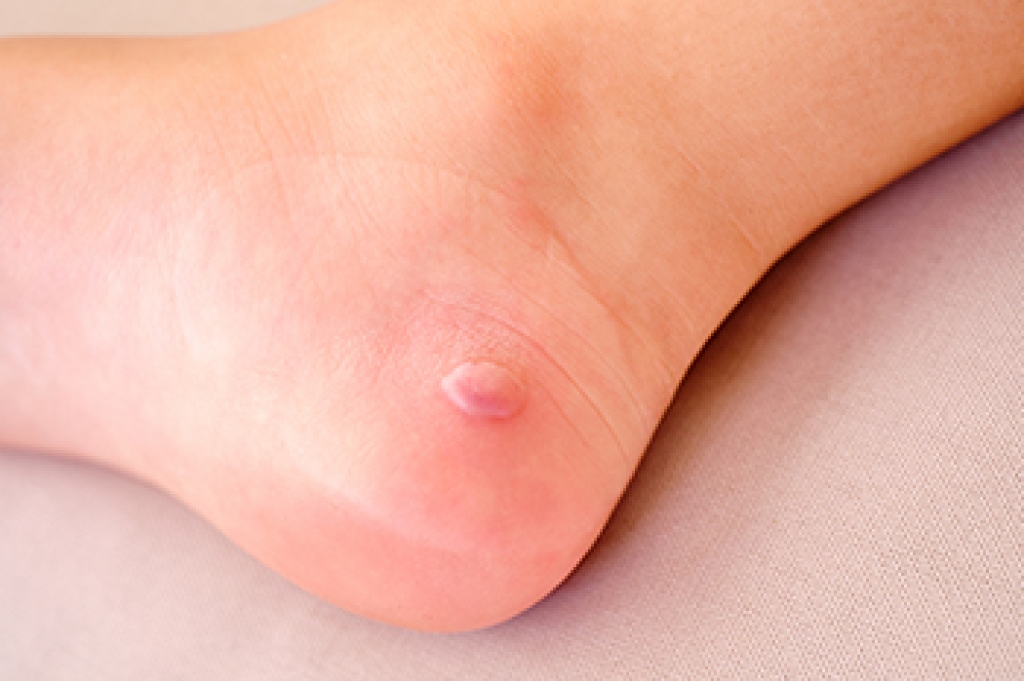
Sore ankles after skiing are common because the ankles play an important role in balancing the body and guiding movement on the slopes. When ankle position is off, extra strain can build in the joints and surrounding tissues. Poorly fitted boots can add pressure and limit natural motion, increasing discomfort. Tendon irritation may also develop with repeated stress. Risk factors include fatigue, weak supporting muscles, and improper technique. Symptoms include soreness, swelling, stiffness, and reduced mobility. A podiatrist can assess alignment, recommend proper support, and provide treatment to relieve pain and prevent further injury. If your ankles are sore from skiing, it is suggested that you consult a podiatrist who can offer relief and treatment solutions, enabling you to return to this popular sport. 

Ankle and foot injuries are common among athletes and in many sports. They can be caused by several problems and may be potentially serious. If you are feeling pain or think you were injured in a sporting event or when exercising, consult with Theresa Brown, DPM from Essie M.B. Smith Foot Clinic. Our doctor will assess your condition and provide you with quality foot and ankle treatment.

Common Injuries

The most common injuries that occur in sporting activities include:

  • Achilles Tendonitis
  • Achilles Tendon Rupture
  • Ankle Sprains
  • Broken Foot
  • Plantar Fasciitis
  • Stress Fractures
  • Turf Toe

Symptoms

Symptoms vary depending upon the injury and in some cases, there may be no symptoms at all. However, in most cases, some form of symptom is experienced. Pain, aching, burning, bruising, tenderness, tightness or stiffness, sensation loss, difficulty moving, and swelling are the most common symptoms.

Treatment

Just as symptoms vary depending upon the injury, so do treatment options. A common treatment method is known as the RICE method. This method involves rest, applying ice, compression and elevating the afflicted foot or ankle. If the injury appears to be more serious, surgery might be required, such as arthroscopic or reconstructive surgery. Lastly, rehabilitation or therapy might be needed to gain full functionality in the afflicted area. Any discomfort experienced by an athlete must be evaluated by a licensed, reputable medical professional.  

If you have any questions please contact our office located in Montgomery, AL . We offer the newest diagnostic and treatment technologies for all your foot and ankle needs.

Read more about Sports Related Foot and Ankle Injuries

Running Smart and Staying Strong

Running offers great benefits, from improved heart health to better mood and endurance, but it can also lead to injury if not done carefully. Many runners deal with issues like shin splints, plantar fasciitis, or stress fractures when they increase mileage too quickly or wear improper shoes. Paying attention to form, pacing, and surface can make a big difference in how your body responds. Gradual training allows muscles and joints to adapt, lowering the risk of strain. It is also important to understand your foot type, as this affects how you move and absorb impact. A podiatrist can evaluate your gait, recommend supportive footwear, and provide custom orthotics, if needed. They can also address early signs of injury before they become serious problems. It is suggested that if you experience foot pain while running, you see a podiatrist for appropriate relief and treatment solutions.

Exercising your feet regularly with the proper foot wear is a great way to prevent injuries. If you have any concerns about your feet, contact Theresa Brown, DPM of Essie M.B. Smith Foot Clinic. Our doctor will treat your foot and ankle needs.

How to Prevent Running Injuries

Many common running injuries are caused by overuse and overtraining. When the back of the kneecap starts wearing out and starts causing pain in your knee, this is commonly referred to as runner’s knee. Runner’s knee is a decrease in strength in your quadriceps and can occur if you’re not wearing properly fitted or supporting shoes. To prevent runner’s knee, focusing on hip strengthening is a good idea, as well as strengthening your quads to keep the kneecaps aligned.

What Are Some Causes of Running Injuries? 
- One cause of a common running injury is called iliotibial band syndrome.
- Plantar fasciitis is also another common injury.
- Stress fractures can occur from overtraining, lack of calcium, or even your running style.

Best Ways to Prevent Running Injuries
- Wear footwear that fits properly and suits your running needs.
- Running shoes are the only protective gear that runners have to safeguard them from injury.
- Make a training schedule. Adding strengthening exercises as well as regular stretching can help keep you strong and limber and can lessen the possibility of injuries.
- Stretching keeps muscles limber; this will help you gain better flexibility.

If you have any questions, please feel free to contact our office located in Montgomery, AL . We offer the newest diagnostic and treatment technologies for all your foot care needs.
Read more about How to Prevent Running Injuries

Wounds That Don't Heal Need to Be Checked

Your feet are covered most of the day. If you're diabetic, periodic screening is important for good health. Numbness is often a sign of diabetic foot and can mask a sore or wound.

Foot Pain in Older Adults and Why It Matters

Foot pain, aching, and stiffness are common in older people and often signal more than simple wear and tear. Discomfort can change how a person walks, leading to reduced mobility, shorter steps, and less time spent being active. Over time, this can weaken muscles, affect balance, and raise the risk of falls and loss of independence. Many people try to ignore symptoms or rely on home remedies, but untreated foot problems can worsen and limit daily life. Seeing a podiatrist is an important step toward relief and prevention. A podiatrist can assess gait, identify underlying conditions, and provide targeted care such as orthotics, exercises, and footwear guidance. If you are older and are suffering from foot discomfort, it is suggested that you see a podiatrist for appropriate care. 

Proper foot care is something many older adults forget to consider. If you have any concerns about your feet and ankles, contact Theresa Brown, DPM from Essie M.B. Smith Foot Clinic. Our doctor can provide the care you need to keep you pain-free and on your feet.

The Elderly and Their Feet

As we age we start to notice many changes in our body, but the elder population may not notice them right away. Medical conditions may prevent the elderly to take notice of their foot health right away. Poor vision is a lead contributor to not taking action for the elderly.

Common Conditions 

  • Neuropathy – can reduce feeling in the feet and can hide many life-threatening medical conditions.
  • Reduced flexibility – prevents the ability of proper toenail trimming, and foot cleaning. If left untreated, it may lead to further medical issues.
  • Foot sores – amongst the older population can be serious before they are discovered. Some of the problematic conditions they may face are:
  • Gouging toenails affecting nearby toe
  • Shoes that don’t fit properly
  • Pressure sores
  • Loss of circulation in legs & feet
  • Edema & swelling of feet and ankles

Susceptible Infections

Diabetes and poor circulation can cause general loss of sensitivity over the years, turning a simple cut into a serious issue.

If you have any questions, please feel free to contact our office located in Montgomery, AL . We offer the newest diagnostic and treatment technologies for all your foot care needs.

Read more about Elderly and their Feet

Connect With Us