
Dealing With Corns and Callouses

Corns and callouses are thickened areas of skin that develop in response to repeated pressure or friction on the feet. They often appear on the toes, soles, or heels and may look hard, rough, yellowed, or raised. Corns are usually smaller with a central core, while callouses cover a broader area. These areas can feel uncomfortable, tender, or painful, especially when walking or wearing shoes, and some people notice a burning or aching sensation. Causes include ill-fitting footwear, high activity levels, repetitive motion, and lack of cushioning or support. A podiatrist can help from the start by identifying the source of pressure and confirming the diagnosis. Initial treatment may include safe removal of thickened skin. Care can then move into custom orthotics, gait evaluation, and preventive strategies to reduce recurrence and improve comfort. Addressing corns and callouses early can help protect overall foot health. For care, it is suggested that you make an appointment with a podiatrist.

Corns can make walking very painful and should be treated immediately. If you have questions regarding your feet and ankles, contact Theresa Brown, DPM of Essie M.B. Smith Foot Clinic. Our doctor will treat your foot and ankle needs.

Corns: What Are They? And How Do You Get Rid of Them?
Corns are thickened areas on the skin that can become painful. They are caused by excessive pressure and friction on the skin. Corns press into the deeper layers of the skin and are usually round in shape.

Ways to Prevent Corns
There are many ways to get rid of painful corns such as:

  • Wearing properly fitting shoes that have been measured by a professional
  • Wearing shoes that are not sharply pointed or have high heels
  • Wearing only shoes that offer support

Treating Corns

Although most corns slowly disappear when the friction or pressure stops, this isn’t always the case. Consult with your podiatrist to determine the best treatment option for your case of corns.

If you have any questions, please feel free to contact our office located in Montgomery, AL . We offer the newest diagnostic and treatment technologies for all your foot care needs.

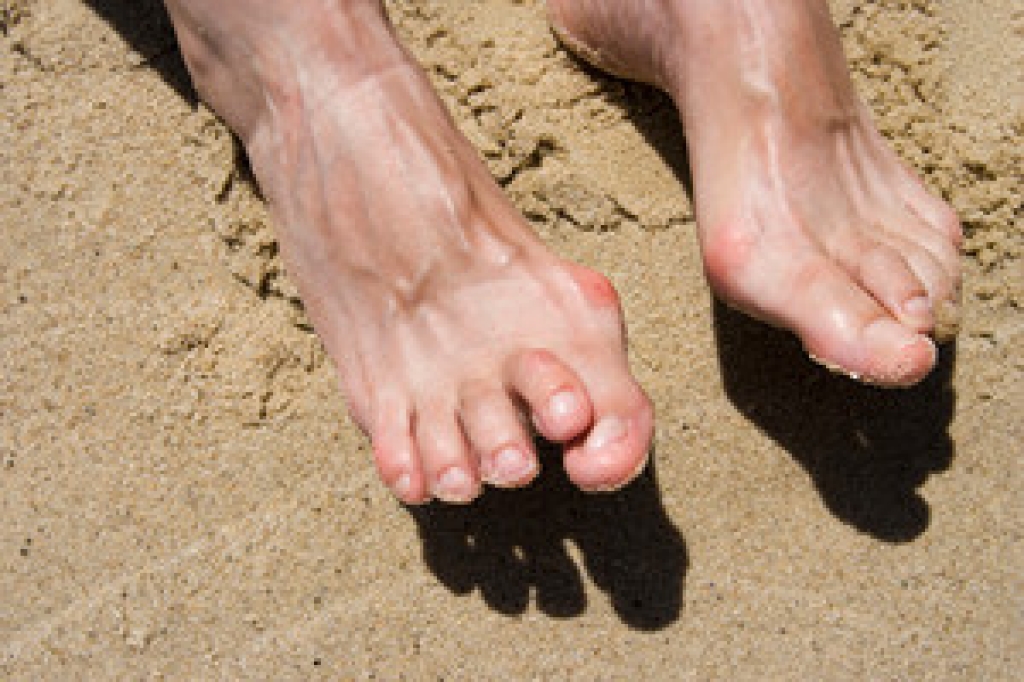
Read more about Corns and Calluses

Ankle Sprains in Volleyball Players

Ankle sprains are a common injury among volleyball players due to sudden jumps, quick lateral movements, and unexpected landings. These movements can stretch or tear the ligaments that support the ankle, causing pain and instability. Symptoms of an ankle sprain include swelling, bruising, tenderness, difficulty bearing weight, and a feeling of the ankle giving way during activity. If left untreated, repeated sprains can lead to chronic instability and long-term joint problems. A podiatrist can evaluate the severity of the sprain, recommend appropriate treatment such as rest or bracing, and provide guidance on proper footwear or supportive devices to prevent future injuries. If you have  ankle pain or instability after volleyball activity, it is suggested that you schedule a visit with a podiatrist to restore stability, reduce pain, and protect your ankle for a safe return to the sport.

Ankle sprains are common but need immediate attention. If you need your feet checked, contact Theresa Brown, DPM from Essie M.B. Smith Foot Clinic. Our doctor can provide the care you need to keep you pain-free and on your feet.

How Does an Ankle Sprain Occur?

Ankle sprains take place when the ligaments in your ankle are torn or stretched beyond their limits. There are multiple ways that the ankle can become injured, including twisting or rolling over onto your ankle, putting undue stress on it, or causing trauma to the ankle itself.

What Are the Symptoms?

  • Mild to moderate bruising
  • Limited mobility
  • Swelling
  • Discoloration of the skin (depending on severity)

Preventing a Sprain

  • Wearing appropriate shoes for the occasion
  • Stretching before exercises and sports
  • Knowing your limits

Treatment of a Sprain

Treatment of a sprain depends on the severity.  Many times, people are told to rest and remain off their feet completely, while others are given an air cast. If the sprain is very severe, surgery may be required.

If you have suffered an ankle sprain previously, you may want to consider additional support such as a brace and regular exercises to strengthen the ankle.

If you have any questions please feel free to contact our office located in Montgomery, AL . We offer the newest diagnostic tools and technology to treat your foot and ankle needs.

Read more about Ankle Sprains

Rheumatoid Arthritis in the Feet and How to Manage It

Rheumatoid arthritis, or RA, is a chronic autoimmune condition that can affect the joints in the feet, causing inflammation, pain, and stiffness. The immune system attacks joint tissues, leading to swelling, warmth, and decreased mobility. Symptoms in the feet may include difficulty walking, bunion formation, hammertoes, and joint deformities over time. Causes of RA involve genetic and environmental factors, while risk factors include family history, female gender, age, and smoking. Early diagnosis and management are crucial to prevent joint damage and maintain mobility. A podiatrist can evaluate foot health, provide custom orthotics, recommend supportive footwear, and suggest targeted therapies to reduce pain and inflammation. If you have symptoms of RA in your feet, it is suggested that you schedule a podiatry consultation to protect foot function and relieve discomfort.

Because RA affects more than just your joints, including the joints in your feet and ankles, it is important to seek early diagnosis from your podiatrist if you feel like the pain in your feet might be caused by RA. For more information, contact Theresa Brown, DPM of Essie M.B. Smith Foot Clinic. Our doctor will assist you with all of your podiatric concerns.

What Is Rheumatoid Arthritis?

Rheumatoid Arthritis (RA) is an autoimmune disorder in which the body’s own immune system attacks the membranes surrounding the joints. Inflammation of the lining and eventually the destruction of the joint’s cartilage and bone occur, causing severe pain and immobility.

Rheumatoid Arthritis of the Feet

Although RA usually attacks multiple bones and joints throughout the entire body, almost 90 percent of cases result in pain in the foot or ankle area.

Symptoms

  • Swelling and pain in the feet
  • Stiffness in the feet
  • Pain on the ball or sole of feet
  • Joint shift and deformation

Diagnosis

Quick diagnosis of RA in the feet is important so that the podiatrist can treat the area effectively. Your doctor will ask you about your medical history, occupation, and lifestyle to determine the origin of the condition. Rheumatoid Factor tests help to determine if someone is affected by the disease.

If you have any questions, please feel free to contact our office located in Montgomery, AL . We offer the newest diagnostic and treatment technologies for all your foot care needs.

Read more about Rheumatoid Arthritis in the Feet

Diabetic Foot Infections and Podiatric Care

A diabetic foot infection is a serious condition that develops when bacteria enter the skin through a cut, blister, or ulcer on the foot of a person with diabetes. Reduced circulation and nerve damage can delay healing and allow infections to worsen quickly. Common causes include untreated wounds, poor foot hygiene, pressure points, and wearing improper footwear. Symptoms may include redness, swelling, warmth, pain, drainage, foul odor, or slow healing sores. Risk factors include poor blood sugar control, neuropathy, peripheral vascular disease, and a history of foot ulcers. A podiatrist can help by diagnosing the infection early, providing wound care, prescribing appropriate treatment, and preventing complications through regular foot exams and education. If you have diabetes and notice any changes or wounds on your feet, it is strongly suggested that you are under the care of a podiatrist who can help you to manage this serious condition.

Diabetic foot care is important in preventing foot ailments such as ulcers. If you are suffering from diabetes or have any other concerns about your feet, contact Theresa Brown, DPM from Essie M.B. Smith Foot Clinic. Our doctor can provide the care you need to keep you pain-free and on your feet.

Diabetic Foot Care

Diabetes affects millions of people every year. The condition can damage blood vessels in many parts of the body, especially the feet. Because of this, taking care of your feet is essential if you have diabetes, and having a podiatrist help monitor your foot health is highly recommended.

The Importance of Caring for Your Feet

  • Routinely inspect your feet for bruises or sores.
  • Wear socks that fit your feet comfortably.
  • Wear comfortable shoes that provide adequate support.

Patients with diabetes should have their doctor monitor their blood levels, as blood sugar levels play such a huge role in diabetic care. Monitoring these levels on a regular basis is highly advised.

It is always best to inform your healthcare professional of any concerns you may have regarding your feet, especially for diabetic patients. Early treatment and routine foot examinations are keys to maintaining proper health, especially because severe complications can arise if proper treatment is not applied.

If you have any questions, please feel free to contact our office located in Montgomery, AL . We offer the newest diagnostic and treatment technologies for all your foot care needs.

Read more about Diabetic Foot Conditions

Are Bunions Affecting Your Everyday Life?

Have you noticed a bony protrusion on the side of your big toe? If so, you may have developed the foot condition known as a bunion. Don't let bunions interfere with your daily activities.

Connect With Us