
Wounds That Don't Heal Need to Be Checked

Your feet are covered most of the day. If you're diabetic, periodic screening is important for good health. Numbness is often a sign of diabetic foot and can mask a sore or wound.

Foot Pain in Older Adults and Why It Matters

Foot pain, aching, and stiffness are common in older people and often signal more than simple wear and tear. Discomfort can change how a person walks, leading to reduced mobility, shorter steps, and less time spent being active. Over time, this can weaken muscles, affect balance, and raise the risk of falls and loss of independence. Many people try to ignore symptoms or rely on home remedies, but untreated foot problems can worsen and limit daily life. Seeing a podiatrist is an important step toward relief and prevention. A podiatrist can assess gait, identify underlying conditions, and provide targeted care such as orthotics, exercises, and footwear guidance. If you are older and are suffering from foot discomfort, it is suggested that you see a podiatrist for appropriate care. 

Proper foot care is something many older adults forget to consider. If you have any concerns about your feet and ankles, contact Theresa Brown, DPM from Essie M.B. Smith Foot Clinic. Our doctor can provide the care you need to keep you pain-free and on your feet.

The Elderly and Their Feet

As we age we start to notice many changes in our body, but the elder population may not notice them right away. Medical conditions may prevent the elderly to take notice of their foot health right away. Poor vision is a lead contributor to not taking action for the elderly.

Common Conditions 

  • Neuropathy – can reduce feeling in the feet and can hide many life-threatening medical conditions.
  • Reduced flexibility – prevents the ability of proper toenail trimming, and foot cleaning. If left untreated, it may lead to further medical issues.
  • Foot sores – amongst the older population can be serious before they are discovered. Some of the problematic conditions they may face are:
  • Gouging toenails affecting nearby toe
  • Shoes that don’t fit properly
  • Pressure sores
  • Loss of circulation in legs & feet
  • Edema & swelling of feet and ankles

Susceptible Infections

Diabetes and poor circulation can cause general loss of sensitivity over the years, turning a simple cut into a serious issue.

If you have any questions, please feel free to contact our office located in Montgomery, AL . We offer the newest diagnostic and treatment technologies for all your foot care needs.
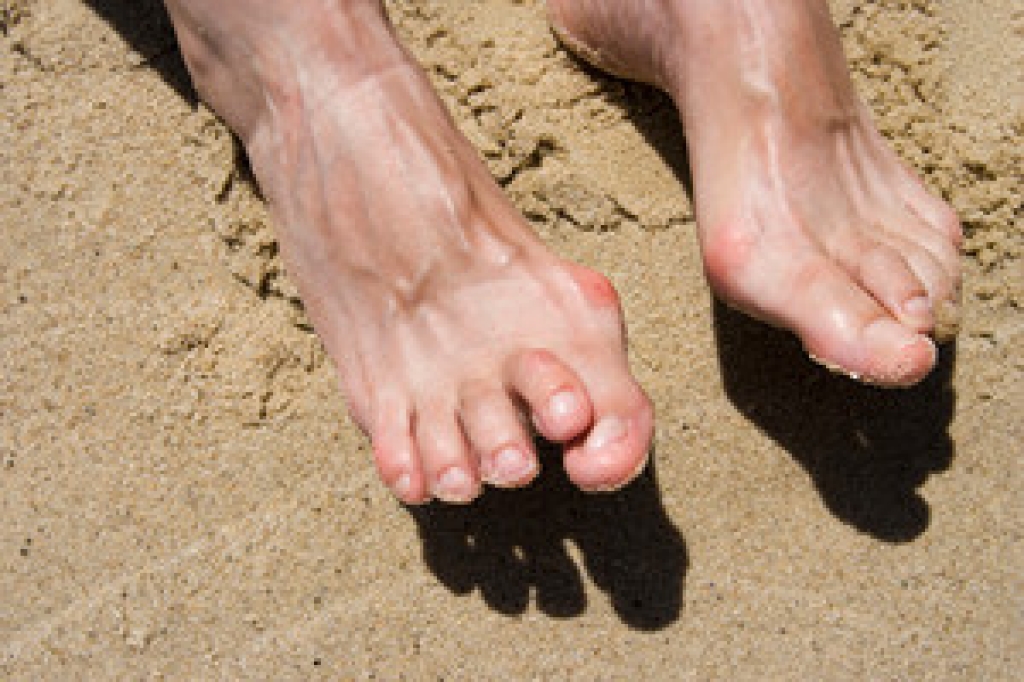

Read more about Elderly and their Feet

Foot Problems That Can Lead to Ongoing Pain

Foot pain can come from several conditions, including Achilles tendinitis, bone spurs, and bunions, each affecting the foot in different ways. Pain from Achilles tendinitis is often felt at the back of the heel and may cause stiffness, especially after rest or activity. Bone spurs are bony growths that can develop on the heel or joints, sometimes leading to irritation and discomfort with walking. Bunions appear as a bony bump at the base of the big toe, often causing redness, swelling, and difficulty wearing shoes. These conditions may result from repetitive stress, improper footwear, inherited foot structure, or aging. A podiatrist can evaluate the source of pain through examination and imaging to create a treatment plan tailored to the condition. Care options include supportive footwear, custom orthotics, and targeted exercises to relieve strain and improve function. Early treatment can help reduce pain and prevent progression. If you have foot pain, it is suggested that you make an appointment with a podiatrist for a diagnosis and treatment plan.

Foot Pain

Foot pain can be extremely painful and debilitating. If you have a foot pain, consult with Theresa Brown, DPM from Essie M.B. Smith Foot Clinic. Our doctor will assess your condition and provide you with quality foot and ankle treatment.

Causes

Foot pain is a very broad condition that could be caused by one or more ailments. The most common include:

  • Bunions
  • Hammertoes
  • Plantar Fasciitis
  • Bone Spurs
  • Corns
  • Tarsal Tunnel Syndrome
  • Ingrown Toenails
  • Arthritis (such as Gout, Rheumatoid, and Osteoarthritis)
  • Flat Feet
  • Injury (from stress fractures, broken toe, foot, ankle, Achilles tendon ruptures, and sprains)
  • And more

Diagnosis

To figure out the cause of foot pain, podiatrists utilize several different methods. This can range from simple visual inspections and sensation tests to X-rays and MRI scans. Prior medical history, family medical history, and any recent physical traumatic events will all be taken into consideration for a proper diagnosis.

Treatment

Treatment depends upon the cause of the foot pain. Whether it is resting, staying off the foot, or having surgery; podiatrists have a number of treatment options available for foot pain.

If you have any questions, please feel free to contact our office located in Montgomery, AL . We offer the newest diagnostic and treatment technologies for all your foot care needs.
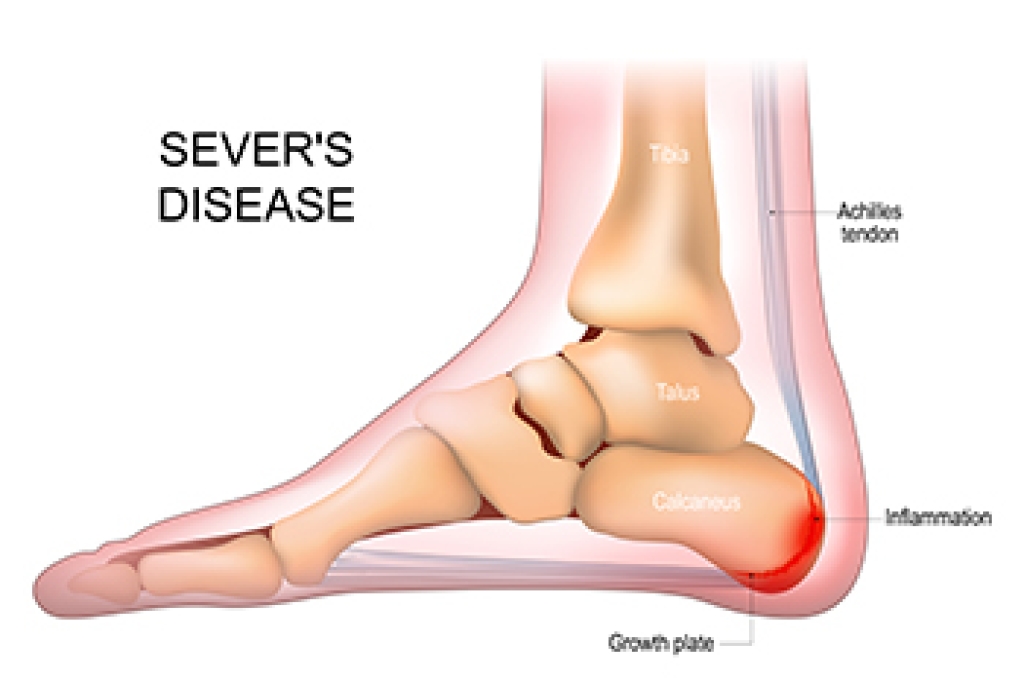
Read more about Foot Pain

Finding Relief From Achilles Tendon Pain

Achilles tendinopathy is a condition involving irritation and breakdown of the Achilles tendon, the thick band that connects the calf muscles to the heel bone. Diagnosis begins with a careful exam, where a podiatrist checks for pain, swelling, and stiffness along the back of the heel, especially with movement or pressure. Imaging such as an ultrasound or MRI scans may be used to confirm changes in the tendon structure. Treatment focuses on reducing strain and supporting healing. This may include activity changes, wearing supportive shoes, heel lifts, and guided stretching and strengthening exercises. Targeted exercises can help improve tendon function, over time. In some cases, advanced options may be considered. Ignoring symptoms can lead to worsening damage. If heel pain is ongoing or limiting activity, it is suggested that you see a podiatrist for an evaluation, diagnosis, and appropriate care.

Achilles tendon injuries need immediate attention to avoid future complications. If you have any concerns, contact Theresa Brown, DPM of Essie M.B. Smith Foot Clinic. Our doctor can provide the care you need to keep you pain-free and on your feet.

What Is the Achilles Tendon?

The Achilles tendon is a tendon that connects the lower leg muscles and calf to the heel of the foot. It is the strongest tendon in the human body and is essential for making movement possible. Because this tendon is such an integral part of the body, any injuries to it can create immense difficulties and should immediately be presented to a doctor.

What Are the Symptoms of an Achilles Tendon Injury?

There are various types of injuries that can affect the Achilles tendon. The two most common injuries are Achilles tendinitis and ruptures of the tendon.

Achilles Tendinitis Symptoms

  • Inflammation
  • Dull to severe pain
  • Increased blood flow to the tendon
  • Thickening of the tendon

Rupture Symptoms

  • Extreme pain and swelling in the foot
  • Total immobility

Treatment and Prevention

Achilles tendon injuries are diagnosed by a thorough physical evaluation, which can include an MRI. Treatment involves rest, physical therapy, and in some cases, surgery. However, various preventative measures can be taken to avoid these injuries, such as:

  • Thorough stretching of the tendon before and after exercise
  • Strengthening exercises like calf raises, squats, leg curls, leg extensions, leg raises, lunges, and leg presses

If you have any questions please feel free to contact our office located in Montgomery, AL . We offer the newest diagnostic tools and technology to treat your foot and ankle needs.

Read more about The Causes, Types, and Treatments of Achilles Tendon Injuries

Dealing With Painful Gout Attacks

Gout is a form of inflammatory arthritis that often appears without warning, frequently affecting the big toe. The joint may become intensely painful, red, warm, and swollen, sometimes overnight. The skin can look tight or shiny, and even light pressure from a sheet may feel uncomfortable. This condition develops when uric acid builds up in the bloodstream and forms sharp crystals within the joint. Triggers may include certain foods, dehydration, alcohol use, or underlying medical conditions that affect how the body processes uric acid. A podiatrist can identify gout through a physical exam, medical history, and diagnostic testing. Treatment focuses on reducing inflammation and preventing future attacks through medication, lifestyle adjustments, and supportive care. Addressing symptoms early can help protect the joint from long-term damage. If you suspect you have gout, it is suggested that you make an appointment with a podiatrist.

Gout is a foot condition that requires certain treatment and care. If you are seeking treatment, contact Theresa Brown, DPM from Essie M.B. Smith Foot Clinic. Our doctor will treat your foot and ankle needs.

What Is Gout?

Gout is a type of arthritis caused by a buildup of uric acid in the bloodstream. It often develops in the foot, especially the big toe area, although it can manifest in other parts of the body as well. Gout can make walking and standing very painful and is especially common in diabetics and the obese.

People typically get gout because of a poor diet. Genetic predisposition is also a factor. The children of parents who have had gout frequently have a chance of developing it themselves.

Gout can easily be identified by redness and inflammation of the big toe and the surrounding areas of the foot. Other symptoms include extreme fatigue, joint pain, and running high fevers. Sometimes corticosteroid drugs can be prescribed to treat gout, but the best way to combat this disease is to get more exercise and eat a better diet.

If you have any questions, please feel free to contact our office located in Montgomery, AL . We offer the newest diagnostic and treatment technologies for all your foot care needs.
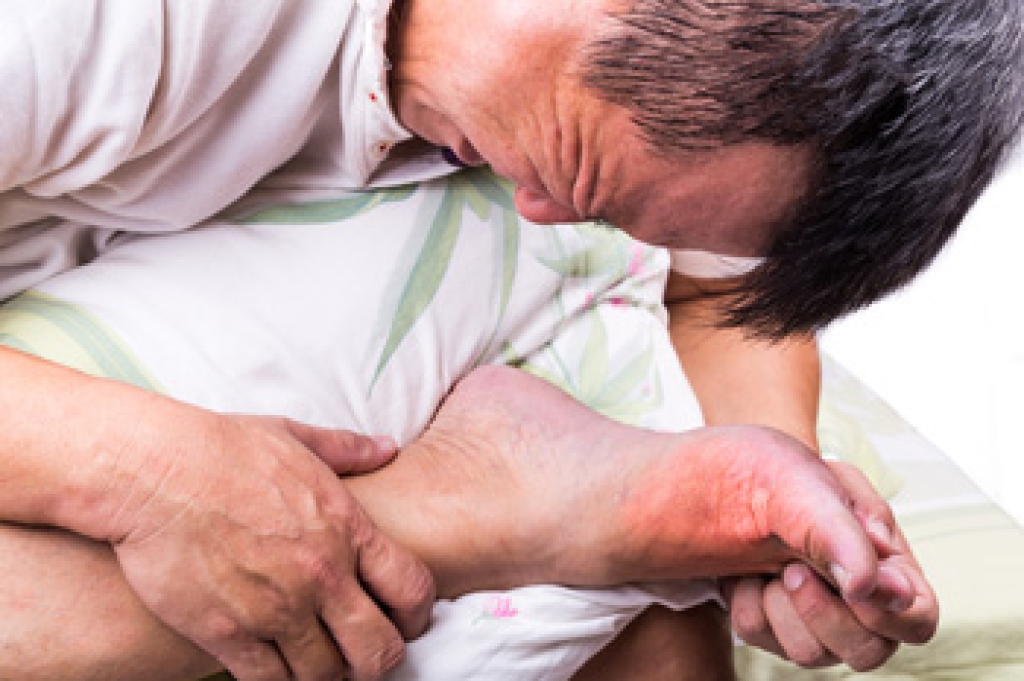
Read more about Everything You Need to Know About Gout

Connect With Us