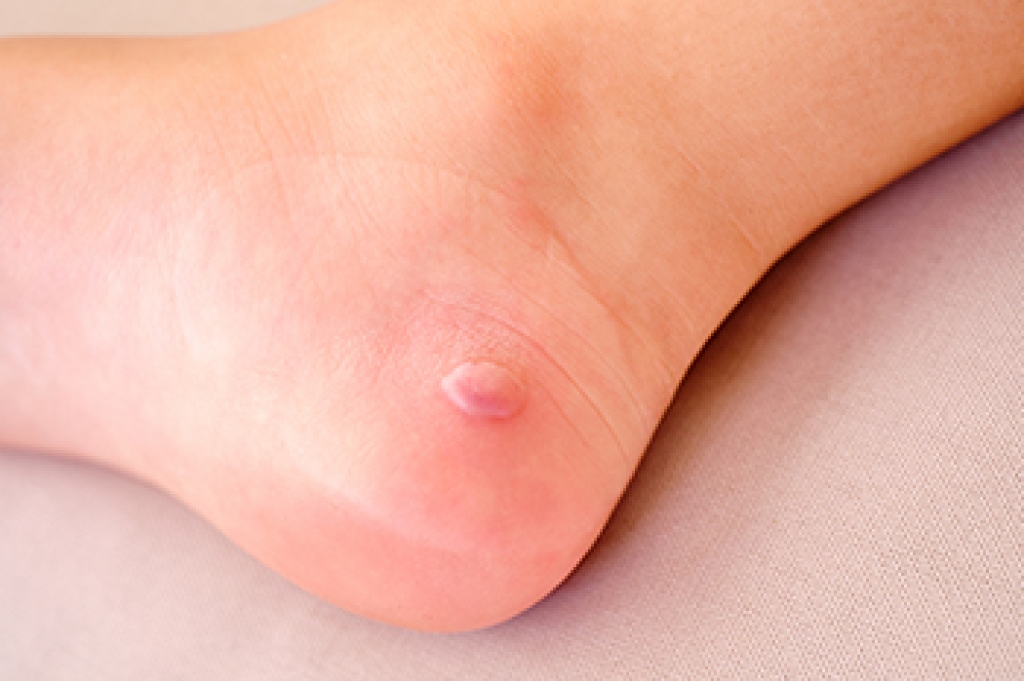
Walking Recovery After a Heel Bone Fracture

A calcaneal fracture is a break in the heel bone, often caused by a hard fall or other high-impact injuries. Because the heel supports much of the body’s weight, recovery can take time and walking may be difficult at first. In some cases, healing may include a special brace designed to reduce pressure on the heel while allowing earlier walking. This type of support shifts weight away from the injured area so the bone can continue healing with less strain. Early guided movement may help reduce stiffness, support circulation, and make the return to daily activities smoother for some patients. Not every heel fracture is treated the same way, since the exact break pattern and severity matter when planning care. If you have a heel fracture or ongoing heel pain after an injury, it is suggested that you visit a podiatrist for appropriate treatment solutions.

Many people suffer from bouts of heel pain. For more information, contact Theresa Brown, DPM of Essie M.B. Smith Foot Clinic. Our doctor can provide the care you need to keep you pain-free and on your feet.

Causes of Heel Pain

Heel pain is often associated with plantar fasciitis. The plantar fascia is a band of tissues that extends along the bottom of the foot. A rip or tear in this ligament can cause inflammation of the tissue.

Achilles tendonitis is another cause of heel pain. Inflammation of the Achilles tendon will cause pain from fractures and muscle tearing. Lack of flexibility is also another symptom.

Heel spurs are another cause of pain. When the tissues of the plantar fascia undergo a great deal of stress, it can lead to ligament separation from the heel bone, causing heel spurs.

Why Might Heel Pain Occur?

  • Wearing ill-fitting shoes                
  • Wearing non-supportive shoes
  • Weight change           
  • Excessive running

Treatments

Heel pain should be treated as soon as possible for immediate results. Keeping your feet in a stress-free environment will help. If you suffer from Achilles tendonitis or plantar fasciitis, applying ice will reduce the swelling. Stretching before an exercise like running will help the muscles. Using all these tips will help make heel pain a condition of the past.

If you have any questions, please feel free to contact our office located in Montgomery, AL . We offer the newest diagnostic and treatment technologies for all your foot care needs.

Read more about Heel Pain

How a Podiatrist Treats Athlete's Foot

Athlete's foot is a fungal skin infection that affects the feet and can spread from one area to another when left untreated. Fungus is a tiny living organism that grows well in warm, damp places. The infection frequently begins between the toes, but it can also affect the soles, sides, or heels of the feet. Many people first notice itching, burning, or stinging that becomes more irritating while walking or wearing shoes. The skin can become red, flaky, or cracked, and painful splits in the skin can develop. Some patients also notice peeling or small blisters that make standing and walking uncomfortable. Because several skin conditions look similar, a podiatrist can determine whether athlete's foot is the true cause of the problem.

Athlete's foot spreads through direct contact with the fungus or by touching contaminated surfaces. Places like locker rooms, swimming pool decks, and public showers create conditions where the fungus can survive. The infection is also more likely to develop when people spend long periods wearing shoes that keep the feet warm and moist. Shoes that lack proper support can increase friction on the feet, which can add to discomfort when the skin is already irritated. A podiatrist performs a careful examination of the affected skin and reviews symptoms to confirm the diagnosis. In some cases, a small sample of skin is examined to identify the fungus and rule out other skin conditions.

Treatment focuses on eliminating the fungal infection and preventing it from spreading. A podiatrist can prescribe antifungal medications that target the fungus and reduce symptoms. Patients with severe infections or repeated infections sometimes require stronger prescription medication. A podiatrist also checks for skin cracks or other problems that increase the chance of complications. Prompt care can help protect healthy skin and reduce the risk of the infection spreading to the toenails or other areas of the foot. If you have symptoms of athlete's foot, it is suggested that you make an appointment with a podiatrist for diagnosis and treatment.

Athlete’s foot is an inconvenient condition that can be easily reduced with the proper treatment. If you have any concerns about your feet and ankles, contact Theresa Brown, DPM from Essie M.B. Smith Foot Clinic.  Our doctor will treat your foot and ankle needs.

Athlete’s Foot: The Sole Story

Athlete's foot, also known as tinea pedis, can be an extremely contagious foot infection. It is commonly contracted in public changing areas and bathrooms, dormitory style living quarters, around locker rooms and public swimming pools, or anywhere your feet often come into contact with other people.

Solutions to Combat Athlete’s Foot

  • Hydrate your feet by using lotion
  • Exfoliate
  • Buff off nails
  • Use of anti-fungal products
  • Examine your feet and visit your doctor if any suspicious blisters or cuts develop

Athlete’s foot can cause many irritating symptoms such as dry and flaking skin, itching, and redness. Some more severe symptoms can include bleeding and cracked skin, intense itching and burning, and even pain when walking. In the worst cases, Athlete’s foot can cause blistering as well. Speak to your podiatrist for a better understanding of the different causes of Athlete’s foot, as well as help in determining which treatment options are best for you.

If you have any questions please feel free to contact our office located in Montgomery, AL . We offer the newest diagnostic and treatment technologies for all your foot and ankle needs.

Read more about Athlete’s Foot

Distinguishing Rheumatoid Arthritis From Gout in Foot Health

Rheumatoid arthritis and gout are two distinct forms of arthritis that frequently affect the feet, yet they differ significantly in origin and presentation. Rheumatoid arthritis, or RA, is an autoimmune disorder that leads to chronic inflammation in multiple joints, including those in the feet. Gout is caused by the accumulation of uric acid crystals within a joint, often triggered by dietary and metabolic factors. Both conditions fall under the category of inflammatory arthritis, but their underlying causes and long term management strategies vary.

Symptoms of rheumatoid arthritis often develop gradually and include persistent joint pain, swelling, and stiffness that is worse in the morning or after periods of rest. It typically affects both sides of the body. Gout symptoms tend to appear suddenly, often at night, with severe pain, redness, and swelling in a single joint, commonly the big toe. The intensity of a gout attack can be debilitating, while rheumatoid arthritis may lead to progressive joint deformity if not managed properly. Genetics play a strong role in rheumatoid arthritis, along with environmental triggers that may activate the immune system. Risk factors also include age and gender, with women more frequently affected. Gout is associated with elevated uric acid levels, often linked to diet, alcohol consumption, obesity, and certain medications. Conditions such as hypertension and kidney disease may also increase the risk of gout. Understanding these risk factors allows patients to take proactive steps in managing their condition.


Management of rheumatoid arthritis typically involves long-term medication to control inflammation and prevent joint damage. Gout treatment includes both medication and lifestyle modifications, such as reducing purine rich foods and maintaining proper hydration. Identifying the correct condition is essential for effective care. If you have symptoms of either type of arthritis affecting your feet, it is suggested that you are under the care of a podiatrist for effective relief and management solutions.

Arthritis can be a difficult condition to live with. If you are seeking treatment, contact Theresa Brown, DPM from Essie M.B. Smith Foot Clinic. Our doctor can provide the care you need to keep you pain-free and on your feet.

Arthritic Foot Care  

Arthritis is a term that is commonly used to describe joint pain.  The condition itself can occur to anyone of any age, race, or gender, and there are over 100 types of it.  Nevertheless, arthritis is more commonly found in women compared to men, and it is also more prevalent in those who are overweight. The causes of arthritis vary depending on which type of arthritis you have. Osteoarthritis for example, is often caused by injury, while rheumatoid arthritis is caused by a misdirected immune system.

Symptoms

  • Swelling
  • Pain
  • Stiffness
  • Decreased Range of Motion

Arthritic symptoms range in severity, and they may come and go. Some symptoms stay the same for several years but could potentially get worse with time. Severe cases of arthritis can prevent its sufferers from performing daily activities and make walking difficult.

Risk Factors

  • Occupation – Occupations requiring repetitive knee movements have been linked to osteoarthritis
  • Obesity – Excess weight can contribute to osteoarthritis development
  • Infection – Microbial agents can infect the joints and trigger arthritis
  • Joint Injuries – Damage to joints may lead to osteoarthritis
  • Age – Risk increases with age
  • Gender –Most types are more common in women
  • Genetics – Arthritis can be hereditary

If you suspect your arthritis is affecting your feet, it is crucial that you see a podiatrist immediately. Your doctor will be able to address your specific case and help you decide which treatment method is best for you.

If you have any questions please feel free to contact our office located in Montgomery, AL . We offer the newest diagnostic tools and technology to treat your foot and ankle needs.

Read more about How to Care for Your Arthritic Foot

Painful Bunions and How a Podiatrist Can Help

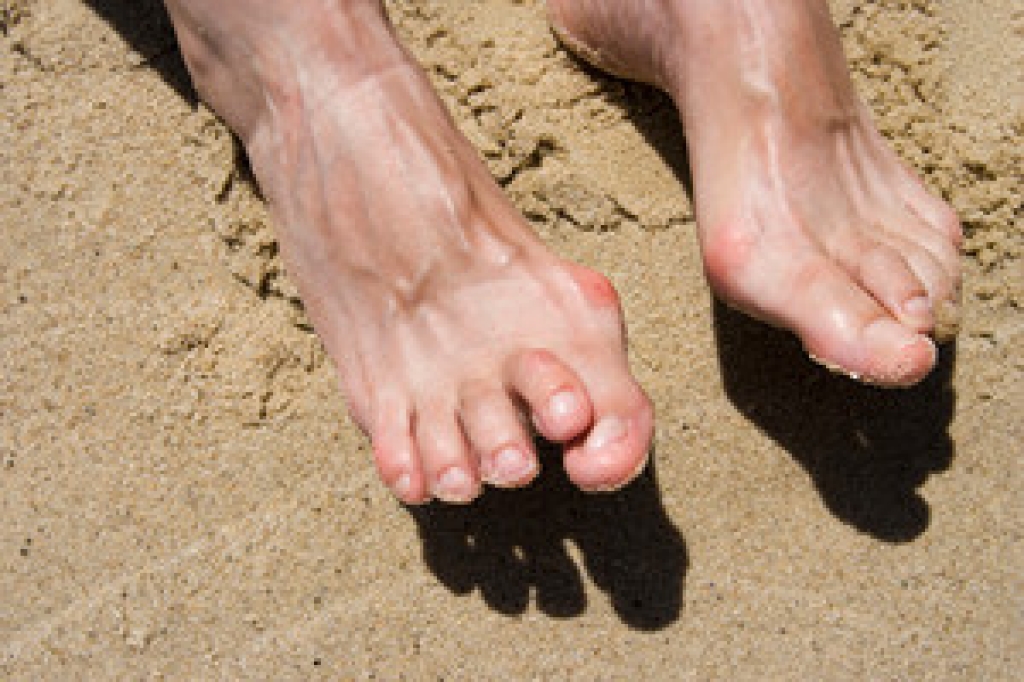
Bunions can cause pain, difficulty with movement, and changes in foot shape. This bony lump forms at the joint where the big toe connects to the foot. It develops when the tip of the big toe shifts toward the smaller toes, causing the base joint to stick outward. Bunions tend to develop slowly, but they can become more noticeable as the joint enlarges. Many people have a family history of bunions, which suggests that inherited foot structure can play a role. Wearing shoes that are too narrow can place extra pressure on the joint and contribute to the condition.

Symptoms of bunions include pain, stiffness, and swelling surrounding the big toe joint. Redness and irritation can also occur when the enlarged joint rubs against shoes. Some people develop thickened skin over the bunion because of repeated friction. As the condition progresses, the foot may change shape, making it difficult to find shoes that fit comfortably. Pain can become more noticeable while walking or standing for long periods of time. In some cases, the big toe begins pressing against neighboring toes, creating additional discomfort. Bunions can also affect balance and increase the risk of falls, particularly in older adults.

A podiatrist can diagnose a bunion through a physical examination and may recommend X-rays to evaluate joint alignment and severity. Treatment focuses on reducing pain, improving comfort, and slowing the progression of the deformity. A podiatrist may recommend shoe modifications, custom orthotics, or protective padding to reduce pressure on the joint. When symptoms become severe and conservative care is no longer effective, surgery may be considered to correct the position of the toe and joint. Early evaluation is important because bunions generally worsen rather than improve. If you have developed a painful bunion, it is suggested that you schedule an appointment with a podiatrist for effective relief and treatment solutions.

If you are suffering from bunion pain, contact Theresa Brown, DPM of Essie M.B. Smith Foot Clinic. Our doctor can provide the care you need to keep you pain-free and on your feet.

What Is a Bunion?

Bunions are painful bony bumps that usually develop on the inside of the foot at the joint of the big toe. As the deformity increases over time, it may become painful to walk and wear shoes. Women are more likely to exacerbate existing bunions since they often wear tight, narrow shoes that shift their toes together. Bunion pain can be relieved by wearing wider shoes with enough room for the toes.

Causes

  • Genetics – some people inherit feet that are more prone to bunion development
  • Inflammatory Conditions - rheumatoid arthritis and polio may cause bunion development

Symptoms

  • Redness and inflammation
  • Pain and tenderness
  • Callus or corns on the bump
  • Restricted motion in the big toe

In order to diagnose your bunion, your podiatrist may ask about your medical history, symptoms, and general health. Your doctor might also order an x-ray to take a closer look at your feet. Nonsurgical treatment options include orthotics, padding, icing, changes in footwear, and medication. If nonsurgical treatments don’t alleviate your bunion pain, surgery may be necessary.

If you have any questions, please feel free to contact our office located in Montgomery, AL . We offer the newest diagnostic and treatment technologies for all your foot care needs.

Read more about Bunions

Heel Pain Can Be Treated!

Do you suffer from heel pain when you get up in the morning? If so, you should seek professional help and have a proper diagnosis performed. Heel pain can be caused by several different foot-related conditions.

Connect With Us