
Understanding Athlete’s Foot and How It Spreads

Athlete’s foot is a fungal infection that affects the skin of the feet. Despite its name, a person does not have to be an athlete to develop it. The fungus grows well in warm, damp places and can spread through contact with contaminated surfaces. Risk factors include walking barefoot in locker rooms, showers, or swimming-pool areas. Sharing socks or towels with an infected person can also spread the fungus. Tight-fitting, closed-toe shoes and sweaty feet can create conditions that allow the infection to grow. Symptoms include itching, stinging, and burning between the toes or on the soles.

The skin affected by athlete’s foot can crack, peel, or develop itchy blisters. The infection can also spread beyond the original area. Touching or scratching infected skin can transfer the fungus to the hands. The fungus can spread to the toenails, where the infection can become harder to treat. Because several skin problems can look similar, an accurate diagnosis is important before treatment begins. A podiatrist can examine the skin closely and determine whether the symptoms are caused by athlete’s foot or another foot condition.

A podiatrist can recommend treatment based on the location and severity of the infection. Treatment includes antifungal products that target the fungus and help clear the affected skin. More severe infections can require stronger antifungal medication. A podiatrist can also check for toenail involvement and other complications that could make treatment more difficult. Patients with diabetes or circulation problems can benefit from prompt evaluation because foot infections can create added concerns. Athlete’s foot that persists or keeps returning deserves professional attention. Proper diagnosis helps ensure that treatment targets the actual cause of the symptoms. If you have symptoms of athlete’s foot, it is suggested that you schedule an appointment with a podiatrist for a diagnosis and appropriate treatment.

Athlete’s Foot

Athlete’s foot is often an uncomfortable condition to experience. Thankfully, podiatrists specialize in treating athlete’s foot and offer the best treatment options. If you have any questions about athlete’s foot, consult with Theresa Brown, DPM from Essie M.B. Smith Foot Clinic. Our doctor will assess your condition and provide you with quality treatment.

What Is Athlete’s Foot?

Tinea pedis, more commonly known as athlete’s foot, is a non-serious and common fungal infection of the foot. Athlete’s foot is contagious and can be contracted by touching someone who has it or infected surfaces. The most common places contaminated by it are public showers, locker rooms, and swimming pools. Once contracted, it grows on feet that are left inside moist, dark, and warm shoes and socks.

Prevention

The most effective ways to prevent athlete’s foot include:

  • Thoroughly washing and drying feet
  • Avoid going barefoot in locker rooms and public showers
  • Using shower shoes in public showers
  • Wearing socks that allow the feet to breathe
  • Changing socks and shoes frequently if you sweat a lot

Symptoms

Athlete’s foot initially occurs as a rash between the toes. However, if left undiagnosed, it can spread to the sides and bottom of the feet, toenails, and if touched by hand, the hands themselves. Symptoms include:

  • Redness
  • Burning
  • Itching
  • Scaly and peeling skin

Diagnosis and Treatment

Diagnosis is quick and easy. Skin samples will be taken and either viewed under a microscope or sent to a lab for testing. Sometimes, a podiatrist can diagnose it based on simply looking at it. Once confirmed, treatment options include oral and topical antifungal medications.

If you have any questions, please feel free to contact our office located in Montgomery, AL . We offer the newest diagnostic and treatment technologies for all your foot care needs.

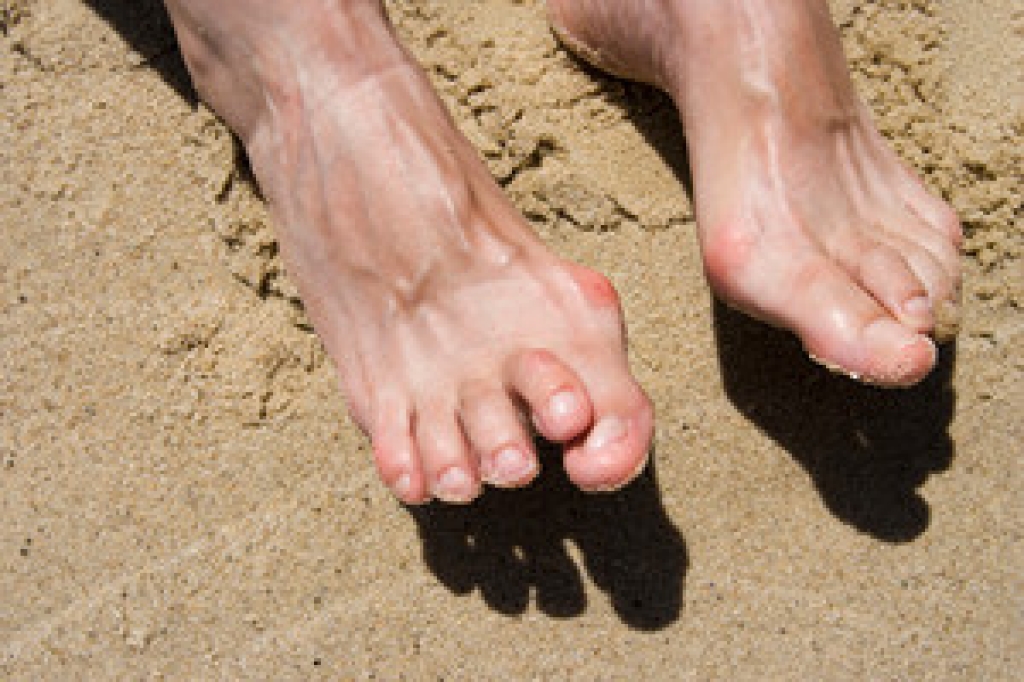
Read more about Athlete's Foot

Are You Suffering From Nerve Damage?

Neuropathy is a condition that can lead to numbness or loss of sensation in the feet, but it can also cause pain. This condition is more likely to develop for those who are diabetic, obese, or with high blood pressure.

Podiatric Care for Foot and Ankle Concerns

A podiatrist is a medical professional who specializes in diagnosing and treating conditions that affect the feet and ankles. Their role includes evaluating pain, managing chronic conditions, and providing both non-surgical and surgical care. Many people delay seeking such care, but early attention can prevent minor issues from becoming serious problems. Understanding when to see a podiatrist helps protect long-term mobility and overall foot health.

Common symptoms that require podiatric evaluation include persistent foot or ankle pain, stiffness, and difficulty walking. Heel pain is often linked to plantar fasciitis, a condition where the tissue supporting the arch becomes inflamed. This causes sharp discomfort with the first steps of the day. Joint pain in the feet and ankles may result from arthritis, leading to stiffness and reduced range of motion. Ingrown toenails occur when the nail grows into the surrounding skin, causing redness, pain, and possible infection.


Diabetes is a major reason to see a podiatrist for care, as it can lead to nerve damage and reduced blood flow in the feet. This increases the risk of non-healing wounds and infections. Risk factors for foot and ankle conditions include poor footwear, prolonged standing, and aging. High-impact activities and improper walking mechanics can also contribute to joint strain and heel pain. Regular foot checks are important for individuals with chronic conditions.


The role of a podiatrist includes diagnosing the underlying cause of symptoms, creating personalized treatment plans, and helping to prevent complications. They may recommend lifestyle changes, orthotic support, or medical procedures depending on the condition. Early care improves comfort and function while reducing the risk of long-term damage. If you have foot or ankle pain, it is suggested that you promptly consult a podiatrist for an accurate diagnosis and appropriate treatment.

If you are dealing with pain in your feet and ankles, you may want to seek help from a podiatrist. Feel free to contact Theresa Brown, DPM from Essie M.B. Smith Foot Clinic. Our doctor can provide the care you need to keep you pain-free and on your feet.

What Is a Podiatrist?

A podiatrist diagnoses and treats conditions of the foot, ankle, and related structures of the leg. Your podiatrist may specialize in a certain field such as sports medicine, wound care, pediatrics, and diabetic care. Podiatrists have the ability to become board certified through training, clinical experience, and then taking an exam.

What Do Podiatrists Do?

On a daily basis, a podiatrist may perform the following activities:

  • Diagnose foot ailments such as ulcers, tumors, fractures, etc.
  • Use innovative methods to treat conditions
  • Use corrective orthotics, casts, and strappings to correct deformities
  • Correct walking patterns and balance
  • Provide individual consultations to patients

It is very important that you take care of your feet. It’s easy to take having healthy feet for granted, however foot problems tend to be among the most common health conditions. Podiatrists can help diagnose and treat a variety of feet related conditions, so it is crucial that you visit one if you need assistance.

If you have any questions, please feel free to contact our office located in Montgomery, AL . We offer the newest diagnostic and treatment technologies for all your foot care needs.

Read more about What is a Podiatrist?

Why a Professional Evaluation of a Broken Toe Is Important

A broken toe is a common foot injury that can occur after stubbing the toe, dropping a heavy object on the foot, or experiencing a direct impact during sports or other activities. Although some fractures are minor, others can affect the position and function of the toe. Common symptoms include pain, swelling, and bruising. Some people also notice difficulty walking or putting weight on the affected foot. In certain cases, the toe may appear crooked or become difficult to move. Because the symptoms of a broken toe can be similar to those of a severe sprain, a professional evaluation is important to determine the extent of the injury and recommend the most appropriate treatment.


A broken toe can affect more than the injured bone. Ongoing pain may change the way a person walks, placing additional stress on the rest of the foot. This altered movement can also increase strain on the ankle, knee, or hip. A thorough podiatry examination helps determine which toe is injured and whether the fracture extends into a nearby joint. Imaging studies, such as X-rays, may be recommended to confirm the diagnosis and evaluate bone alignment. Early diagnosis is important because untreated fractures may heal improperly and lead to lasting pain or reduced toe function.


A podiatrist specializes in diagnosing and treating broken toes while monitoring the healing process. Professional care focuses on restoring proper alignment, reducing discomfort, and helping the toe heal as expected. Treatment is tailored to each patient's injury and may be adjusted based on the severity of the fracture. Regular follow-up visits also allow healing to be monitored and any complications to be identified early. If you have toe pain, swelling, or difficulty walking after a foot injury, it is suggested that you consult a podiatrist for an evaluation and appropriate treatment options.

A broken toe can be very painful and lead to complications if not properly fixed. If you have any concerns about your feet, contact Theresa Brown, DPM from Essie M.B. Smith Foot Clinic. Our doctor will treat your foot and ankle needs.

What to Know About a Broken Toe

Although most people try to avoid foot trauma such as banging, stubbing, or dropping heavy objects on their feet, the unfortunate fact is that it is a common occurrence. Given the fact that toes are positioned in front of the feet, they typically sustain the brunt of such trauma. When trauma occurs to a toe, the result can be a painful break (fracture).

Symptoms of a Broken Toe

  • Throbbing pain
  • Swelling
  • Bruising on the skin and toenail
  • The inability to move the toe
  • Toe appears crooked or disfigured
  • Tingling or numbness in the toe

Generally, it is best to stay off of the injured toe with the affected foot elevated.

Severe toe fractures may be treated with a splint, cast, and in some cases, minor surgery. Due to its position and the pressure it endures with daily activity, future complications can occur if the big toe is not properly treated.

If you have any questions, please feel free to contact our office located in Montgomery, AL . We offer the newest diagnostic and treatment technologies for all your foot care needs.

Read more about What to Know About a Broken Toe

How a Podiatrist Can Help With Achilles Tendon Injuries

Achilles tendon injuries can cause pain and stiffness at the back of the ankle. The Achilles tendon is the strong band of tissue that connects the calf muscle to the heel. One condition affecting this area is Achilles tendinopathy, sometimes called tendinitis. Symptoms can develop gradually or appear suddenly. Patients can notice swelling, tenderness, or mild warmth around the tendon. Pain can become worse with movement or exercise. Stiffness can be stronger in the morning or after resting, while reduced ankle strength can make normal movement more difficult.

Achilles tendinopathy can affect both active and inactive people. A sudden increase in exercise can place more stress on the tendon than it is prepared to handle. Starting a new sport or increasing training intensity can have a similar effect. Long periods of standing can also contribute. Wearing shoes that fit poorly or are not suited to an activity can place added stress on the foot and ankle. Other factors linked with Achilles tendon problems include smoking, excess body weight, and certain health conditions. Understanding the source of the strain can help guide treatment and reduce continued stress on the tendon.

A podiatrist can evaluate an Achilles tendon injury by examining the painful area and checking foot and ankle movement. The assessment can also look at strength, walking patterns, and activities that increase symptoms. Treatment can focus on reducing strain while supporting healthy movement and tendon function. A podiatrist can recommend activity changes, targeted exercises, or shoe modifications based on the patient's condition. Care can also address foot mechanics that place extra pressure on the Achilles tendon. Persistent symptoms or worsening pain deserve a professional evaluation. If you have an Achilles tendon injury, it is suggested that you schedule an appointment with a podiatrist for a diagnosis and  appropriate treatment.

Achilles tendon injuries need immediate attention to avoid future complications. If you have any concerns, contact Theresa Brown, DPM of Essie M.B. Smith Foot Clinic. Our doctor can provide the care you need to keep you pain-free and on your feet.

What Is the Achilles Tendon?

The Achilles tendon is a tendon that connects the lower leg muscles and calf to the heel of the foot. It is the strongest tendon in the human body and is essential for making movement possible. Because this tendon is such an integral part of the body, any injuries to it can create immense difficulties and should immediately be presented to a doctor.

What Are the Symptoms of an Achilles Tendon Injury?

There are various types of injuries that can affect the Achilles tendon. The two most common injuries are Achilles tendinitis and ruptures of the tendon.

Achilles Tendinitis Symptoms

  • Inflammation
  • Dull to severe pain
  • Increased blood flow to the tendon
  • Thickening of the tendon

Rupture Symptoms

  • Extreme pain and swelling in the foot
  • Total immobility

Treatment and Prevention

Achilles tendon injuries are diagnosed by a thorough physical evaluation, which can include an MRI. Treatment involves rest, physical therapy, and in some cases, surgery. However, various preventative measures can be taken to avoid these injuries, such as:

  • Thorough stretching of the tendon before and after exercise
  • Strengthening exercises like calf raises, squats, leg curls, leg extensions, leg raises, lunges, and leg presses

If you have any questions please feel free to contact our office located in Montgomery, AL . We offer the newest diagnostic tools and technology to treat your foot and ankle needs.

Read more about What are Achilles Tendon Injuries

Connect With Us