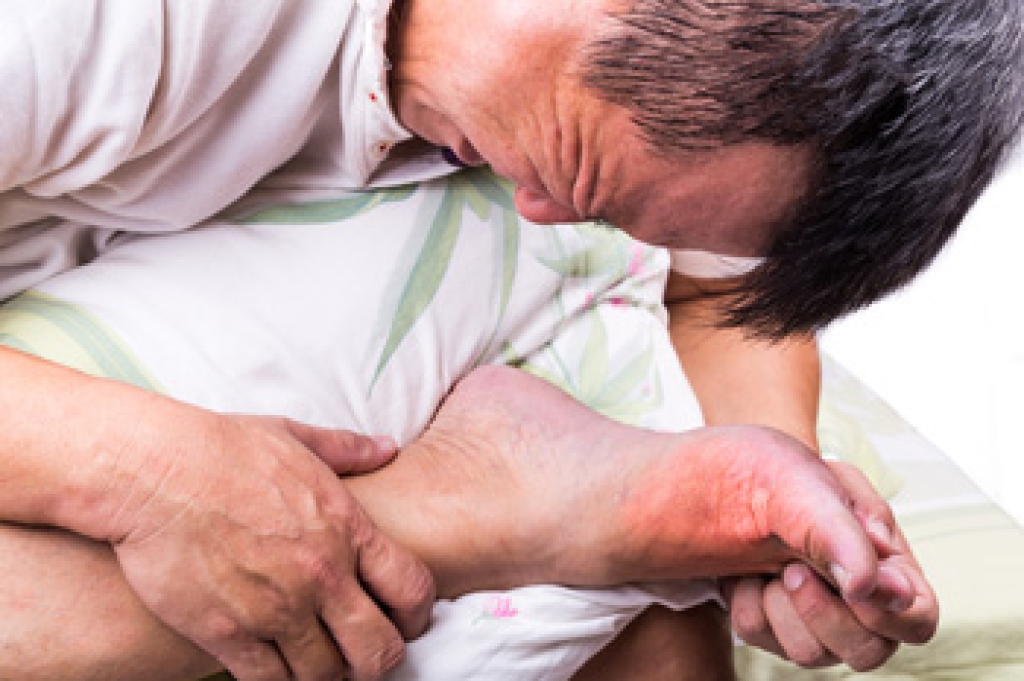
When the Big Toe Is Pushed Beyond Its Limit

Turf toe occurs when the big toe bends too far upward, stretching or tearing the soft tissues that support the joint. This injury is common in activities that involve sudden stops, quick direction changes, or forceful push offs, especially on firm surfaces. The toe may become painful, swollen, or stiff, and many people notice discomfort when trying to lift off during walking or running. In some cases, the joint feels unstable or weak, making it difficult to move with confidence. Early care helps prevent the injury from worsening and supports a smoother recovery. Resting the toe, avoiding movements that cause pain, and choosing shoes with a stiff sole can reduce stress on the joint. If you experience swelling, tenderness, or difficulty bending the big toe, it is suggested that you schedule an appointment with a podiatrist for proper guidance.

Toe pain can disrupt your daily activities. If you have any concerns, contact Theresa Brown, DPM of Essie M.B. Smith Foot Clinic. Our doctor can provide the care you need to keep you pain-free and on your feet.

What Causes Toe Pain?

Most severe toe pain is caused due to a sports injury, trauma from dropping something heavy on the toe, or bumping into something rigid. Other problems can develop over time for various reasons.

Toe pain can be caused by one or more ailments. The most common include:

  • Trauma
  • Sports injury
  • Wearing shoes that are too tight
  • Arthritis
  • Gout
  • Corns and calluses
  • Hammertoe
  • Bunions
  • Blisters
  • Ingrown toenails
  • Sprains
  • Fractures (broken bones)
  • Dislocations

When to See a Podiatrist

  • Severe pain
  • Persistent pain that lasts more than a week
  • Signs of infection
  • Continued swelling
  • Pain that prevents walking

Diagnosis

In many cases the cause of toe pain is obvious, but in others, a podiatrist may want to use more advanced methods to determine the problem. These can range from simple visual inspections and sensation tests to X-rays and MRI scans. Prior medical history, family medical history, and any recent physical traumatic events will all be taken into consideration for a proper diagnosis.

Treatment

Treatments for toe pain and injuries vary and may include shoe inserts, padding, taping, medicines, injections, and in some cases, surgery. If you believe that you have broken a toe, please see a podiatrist as soon as possible.

If you have any questions please contact our office located in Montgomery, AL . We offer the newest diagnostic and treatment technologies for all your foot and ankle needs.

Read more about Toe Pain

A Closer Look at a Torn Achilles Tendon

An Achilles tendon rupture often occurs suddenly and may feel like a sharp snap or pop in the back of the lower leg. Many people describe an immediate sense of being kicked or struck, followed by difficulty putting weight on the foot. Pain can be intense at first, then shift to a deep aching sensation. Swelling, bruising, and weakness often develop quickly, and pointing the toes downward may feel difficult or impossible. Some individuals notice a small gap or soft spot along the tendon where the tear occurred. Daily movements such as walking, climbing stairs, or pushing off the ball of the foot become challenging. Quick recognition is important because early treatment supports healing and helps protect long-term function. If you have sudden pain, weakness, or loss of movement in the back of the leg, it is suggested that you see a podiatrist for a proper diagnosis and appropriate treatment.

Achilles tendon injuries need immediate attention to avoid future complications. If you have any concerns, contact Theresa Brown, DPM of Essie M.B. Smith Foot Clinic. Our doctor can provide the care you need to keep you pain-free and on your feet.

What Is the Achilles Tendon?

The Achilles tendon is a tendon that connects the lower leg muscles and calf to the heel of the foot. It is the strongest tendon in the human body and is essential for making movement possible. Because this tendon is such an integral part of the body, any injuries to it can create immense difficulties and should immediately be presented to a doctor.

What Are the Symptoms of an Achilles Tendon Injury?

There are various types of injuries that can affect the Achilles tendon. The two most common injuries are Achilles tendinitis and ruptures of the tendon.

Achilles Tendinitis Symptoms

  • Inflammation
  • Dull to severe pain
  • Increased blood flow to the tendon
  • Thickening of the tendon

Rupture Symptoms

  • Extreme pain and swelling in the foot
  • Total immobility

Treatment and Prevention

Achilles tendon injuries are diagnosed by a thorough physical evaluation, which can include an MRI. Treatment involves rest, physical therapy, and in some cases, surgery. However, various preventative measures can be taken to avoid these injuries, such as:

  • Thorough stretching of the tendon before and after exercise
  • Strengthening exercises like calf raises, squats, leg curls, leg extensions, leg raises, lunges, and leg presses

If you have any questions please feel free to contact our office located in Montgomery, AL . We offer the newest diagnostic tools and technology to treat your foot and ankle needs.

Read more about Achilles Tendon Injuries

Dealing With Ankle Sprains

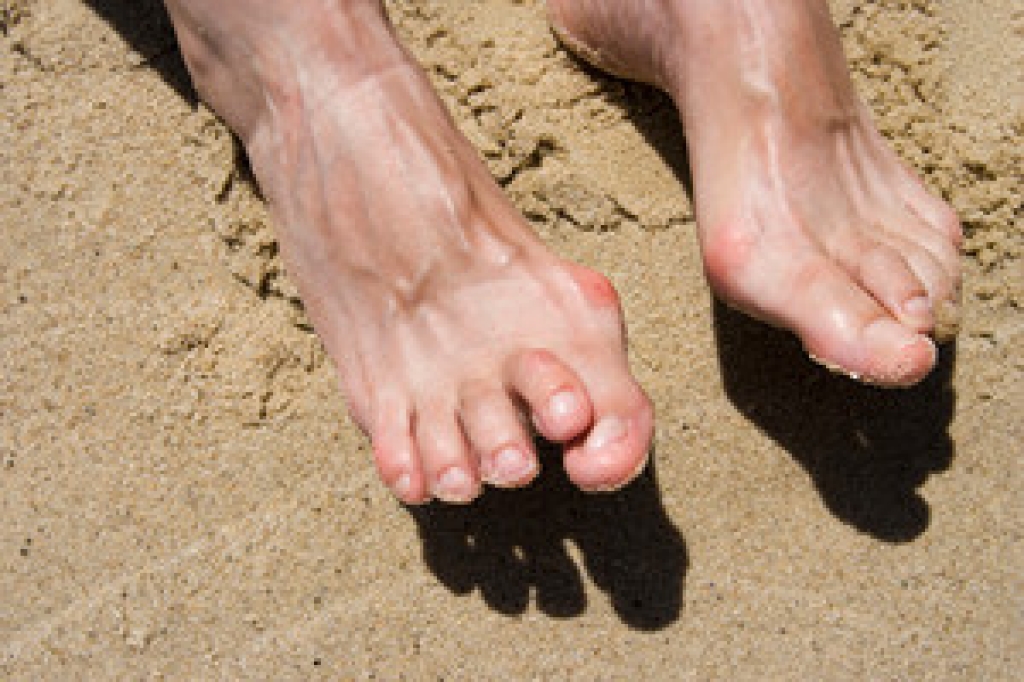
Ankle sprains occur when the ligaments that support the ankle joint stretch or tear. This injury is often caused by sudden twists, falls, uneven surfaces, or sports activities that put stress on the joint. The ankle may look swollen, bruised, or slightly deformed, and in severe cases it may appear unstable or misaligned. Many individuals feel sharp pain at the time of injury, followed by tenderness, stiffness, and difficulty bearing weight or walking normally. Up to 70 percent of ankle sprains affect the lateral ligaments on the outside of the ankle, and repeated sprains can lead to chronic instability if not treated properly. A podiatrist can start by evaluating the ankle, checking the range of motion, and using imaging if needed to rule out fractures. Treatment may include elevation, bracing, targeted exercises, and guidance on safe return to activity. Prompt professional care helps reduce recovery time and prevent long-term complications. If you experience persistent ankle pain or swelling after an injury, it is suggested that you make an appointment with a podiatrist.

Although ankle sprains are common, they aren’t always minor injuries. If you need your ankle injury looked at, contact Theresa Brown, DPM from Essie M.B. Smith Foot Clinic. Our doctor can provide the care you need to keep you pain-free and on your feet.

How Does an Ankle Sprain Occur?

Ankle sprains are the result of a tear in the ligaments within the ankle. These injuries may happen when you make a rapid shifting movement while your foot is planted. A less common way to sprain your ankle is when your ankle rolls inward while your foot turns outward.

What Are the Symptoms?

  • Pain at the sight of the tear
  • Bruising/Swelling
  • Ankle area is tender to touch
  • In severe cases, may hear/feel something tear
  • Skin discoloration

Preventing a Sprain

  • Wearing appropriate shoes for the occasion
  • Stretching before exercises and sports
  • Knowing your limits

Treatment of a Sprain

In many cases, the RICE method (Rest, Ice, Compression, and Elevate) is used to treat ankle sprains. However, you should see a podiatrist to see which treatment option would work best with your injury. In severe cases, surgery may be required.

It is important to ask your doctor about rehab options after you receive treatment for your injury. Stretching, strength training, and balance exercises may help the ankle heal while also preventing further injury.

If you have any questions, please feel free to contact our office located in Montgomery, AL . We offer the newest diagnostic and treatment technologies for all your foot care needs.

Read more about Ankle Sprains

Keep Your Feet Healthy So You Can Stay Active

Have your feet inspected by a professional before starting a new sport or physical activity. Taking charge of your foot health will keep you in good physical condition and can help you avoid a potential injury, such as a fracture or sprained ankle.

Prevent injuries and see a foot specialist.

Causes and Symptoms of Poor Foot Circulation

Poor circulation occurs when blood flow through the vessels becomes limited, reducing the oxygen and nutrients that reach the feet. This issue affects the feet because they are the farthest from the heart and rely on strong vascular health for proper function. Signs of poor circulation include numbness, tingling, swelling, color changes, and cramping after activity or rest. Common causes include peripheral artery disease, diabetes, and smoking, all of which damage blood vessels and restrict flow. A podiatrist can identify circulation problems through specialized exams and provide treatments that improve blood flow, protect the skin, and prevent complications. If you notice changes in foot comfort or color, it is suggested that you consult a podiatrist who can provide a proper diagnosis and treatment. 

Poor circulation is a serious condition and needs immediate medical attention. If you have any concerns with poor circulation in your feet contact Theresa Brown, DPM of Essie M.B. Smith Foot Clinic. Our doctor will treat your foot and ankle needs.

Poor Circulation in the Feet

Poor blood circulation in the feet and legs is can be caused by peripheral artery disease (PAD), which is the result of a buildup of plaque in the arteries.

Plaque buildup or atherosclerosis results from excess calcium and cholesterol in the bloodstream. This can restrict the amount of blood which can flow through the arteries. Poor blood circulation in the feet and legs are sometimes caused by inflammation in the blood vessels, known as vasculitis.

Causes

Lack of oxygen and oxygen from poor blood circulation restricts muscle growth and development. It can also cause:

  • Muscle pain, stiffness, or weakness 
  • Numbness or cramping in the legs
  • Skin discoloration
  • Slower nail & hair growth
  • Erectile dysfunction

Those who have diabetes or smoke are at greatest risk for poor circulation, as are those who are over 50. If you have poor circulation in the feet and legs it may be caused by PAD and is important to make changes to your lifestyle in order to reduce risk of getting a heart attack or stroke. Exercise and maintaining a healthy lifestyle will dramatically improve conditions.

As always, see a podiatrist as he or she will assist in finding a regimen that suits you. A podiatrist can also prescribe you any needed medication. 

If you have any questions, please feel free to contact our office located in Montgomery, AL . We offer the newest diagnostic and treatment technologies for all your foot care needs.
Read more about Causes, Symptoms, and Treatment of Poor Blood Circulation in the Feet

Connect With Us