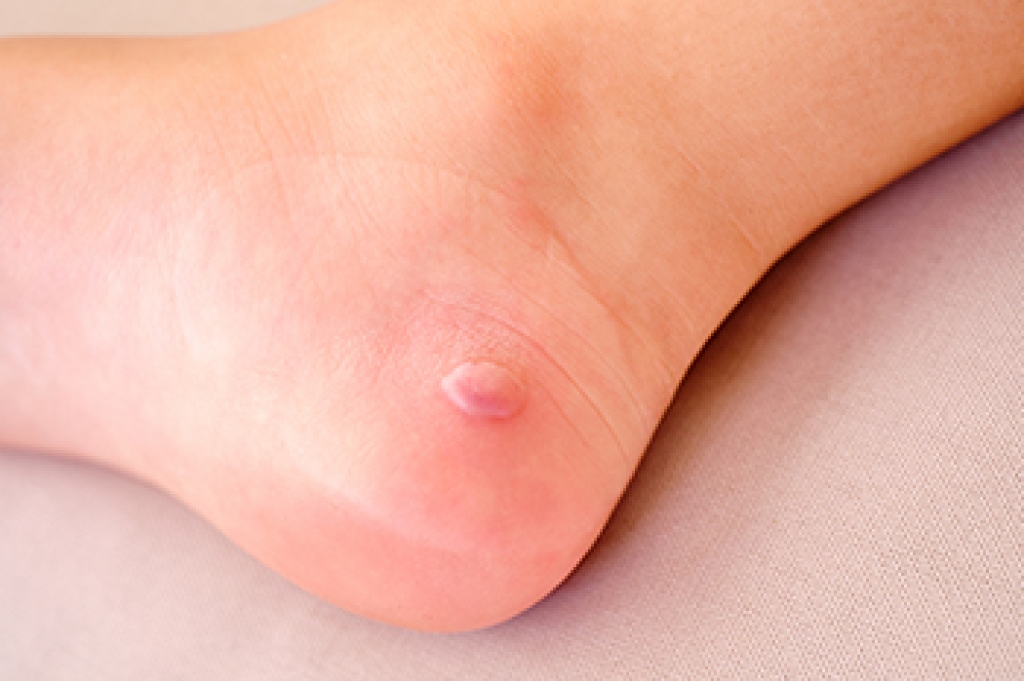
Foot blisters are fluid-filled pockets that form under the skin and can make every step uncomfortable. Friction is a frequent cause, especially when shoes are too tight or rub the same area repeatedly. The clear liquid inside most blisters is called serum, which comes from nearby tissues after the skin is injured. Blood blisters contain blood instead. Friction blisters are usually painful and can interfere with walking, exercise, or work. Although many blisters result from burns, allergies and infections can also cause blistering on the skin.
The appearance and symptoms of a blister can offer clues about its cause. Most blisters are round or oval and contain fluid beneath the skin. Some are painful, while others can itch or cause little discomfort. Blisters linked to infection can look different and may occur with other symptoms. Increasing redness, swelling, or worsening pain around a blister can signal infection. Oozing blood or pus is another warning sign. Blisters with an unknown cause or those that are very painful deserve professional evaluation, especially when they keep returning.
A podiatrist can examine foot blisters to determine what is causing them and whether infection is present. The evaluation can also identify pressure points and areas where shoes are rubbing the skin. For a large or painful blister, a podiatrist can drain it safely and protect the area from infection. A podiatrist can also recommend shoe changes or padding to reduce repeated friction and pressure. Patients with recurring blisters can benefit from an evaluation of foot structure and how their shoes fit. Addressing the source of repeated rubbing can help protect vulnerable areas of skin. If you have symptoms of blisters, it is suggested that you schedule an appointment with a podiatrist for diagnosis and treatment.
Blisters may appear as a single bubble or in a cluster. They can cause a lot of pain and may be filled with pus, blood, or watery serum. If your feet are hurting, contact Theresa Brown, DPM of Essie M.B. Smith Foot Clinic. Our doctor can provide the care you need to keep you pain-free and on your feet.
Foot Blisters
Foot blisters are often the result of friction. This happens due to the constant rubbing from shoes, which can lead to pain.
What Are Foot Blisters?
A foot blister is a small fluid-filled pocket that forms on the upper-most layer of the skin. Blisters are filled with clear fluid and can lead to blood drainage or pus if the area becomes infected.
Symptoms
(Blister symptoms may vary depending on what is causing them)
- Bubble of skin filled with fluid
- Redness
- Moderate to severe pain
- Itching
Prevention & Treatment
In order to prevent blisters, you should be sure to wear comfortable shoes with socks that cushion your feet and absorb sweat. Breaking a blister open may increase your chances of developing an infection. However, if your blister breaks, you should wash the area with soap and water immediately and then apply a bandage to the affected area. If your blisters cause severe pain it is important that you call your podiatrist right away.
If you have any questions, please feel free to contact our office located in Montgomery, AL . We offer the newest diagnostic and treatment technologies for all your foot care needs.