Ladder falls are a common workplace hazard that can cause serious injuries, especially for construction workers, painters, and roofers. A fall can happen when someone loses their balance, the ladder shifts during climbing, or working at height. Common symptoms after a fall include foot pain, swelling, and difficulty standing. Some injuries may not become obvious until several hours later. Risk factors include rushing through tasks, using damaged equipment, and working on uneven surfaces. Wearing unsuitable footwear also reduces grip and stability. Understanding ladder safety and recognizing potential injuries help workers protect their feet and reduce the risk of long-term complications.
Preventing ladder falls starts with choosing the correct ladder for the job. Select a ladder that reaches the required height without forcing you to stand on the top step or stretch beyond the side rails. Check the ladder’s duty rating to ensure it can safely support your weight and equipment. Before every use, inspect the rungs, feet, and rails for damage or wear. Never use a ladder with loose parts or missing safety components. Set it on firm, level ground and secure it according to the manufacturer’s instructions. Keep three points of contact while climbing, face the ladder, and wear slip-resistant work shoes. Avoid climbing when the ladder is wet or when strong winds make outdoor work unsafe.
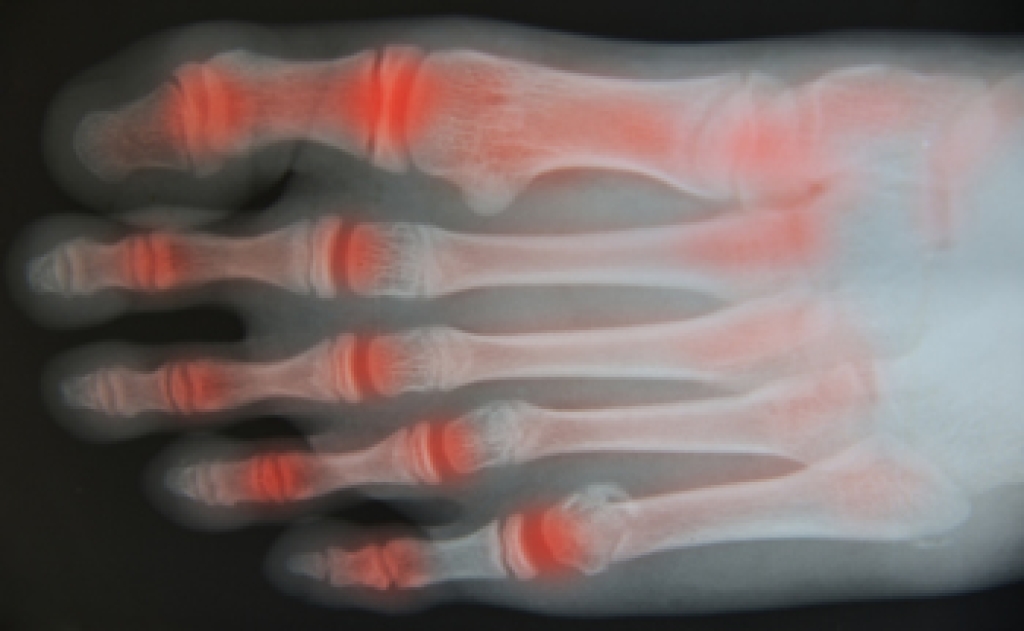
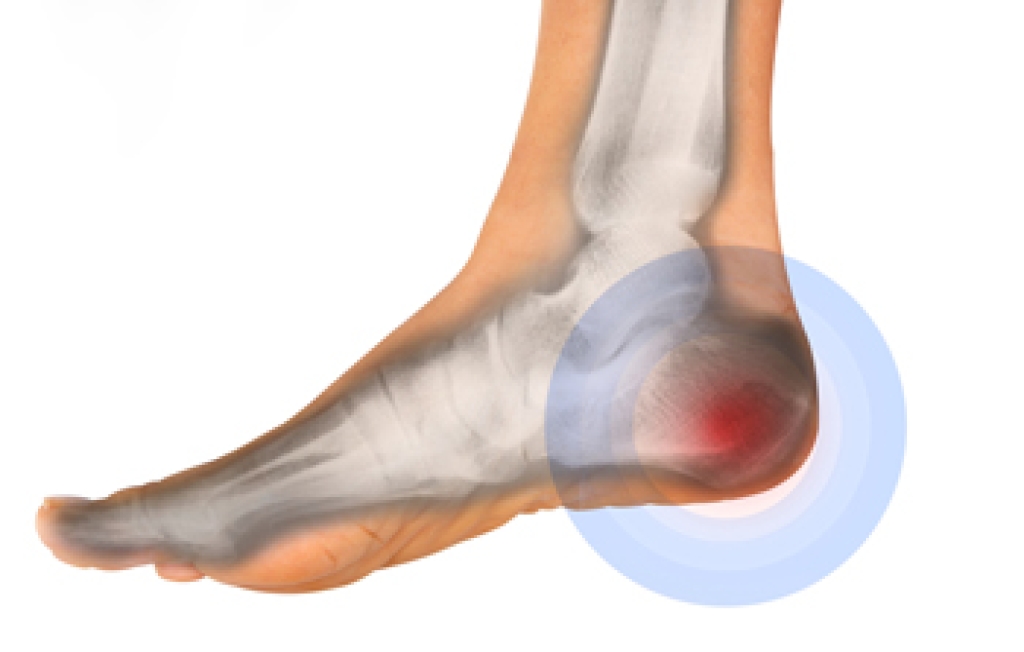
A ladder fall can cause several foot and ankle conditions, depending on the landing position and force of impact. A fracture may occur when the heel strikes the ground. An ankle sprain can develop if the foot twists during landing. Bruising and soft-tissue injuries may also cause pain and swelling. Severe falls can damage tendons or joints, making walking difficult. Risk increases when workers carry heavy tools while climbing, rush between tasks, or use ladders that are too short. Even a seemingly minor fall deserves attention if pain persists. Avoid putting weight on a badly injured foot, and seek urgent medical care for a visible deformity, an open wound, or an inability to walk.
A podiatrist evaluates foot and ankle injuries after a workplace ladder fall by examining swelling, tenderness, and circulation. X-rays or other imaging tests may be needed to identify fractures or assess joint damage. Depending on the injury, treatment may include immobilization with a boot or cast. Follow instructions about weight-bearing and attend recommended follow-up visits to monitor healing. Returning to work too soon may worsen an injury or delay recovery. If you develop a foot condition after falling from a ladder at work, it is suggested that you consult a podiatrist for an accurate diagnosis and appropriate treatment.
Preventing falls among the elderly is very important. If you are older and have fallen or fear that you are prone to falling, consult with Theresa Brown, DPM from Essie M.B. Smith Foot Clinic. Our doctor will assess your condition and provide you with quality advice and care.
Every 11 seconds, an elderly American is being treated in an emergency room for a fall related injury. Falls are the leading cause of head and hip injuries for those 65 and older. Due to decreases in strength, balance, senses, and lack of awareness, elderly persons are very susceptible to falling. Thankfully, there are a number of things older persons can do to prevent falls.
How to Prevent Falls
Some effective methods that older persons can do to prevent falls include:
- Enrolling in strength and balance exercise program to increase balance and strength
- Periodically having your sight and hearing checked
- Discuss any medications you have with a doctor to see if it increases the risk of falling
- Clearing the house of falling hazards and installing devices like grab bars and railings
- Utilizing a walker or cane
- Wearing shoes that provide good support and cushioning
- Talking to family members about falling and increasing awareness
Falling can be a traumatic and embarrassing experience for elderly persons; this can make them less willing to leave the house, and less willing to talk to someone about their fears of falling. Doing such things, however, will increase the likelihood of tripping or losing one’s balance. Knowing the causes of falling and how to prevent them is the best way to mitigate the risk of serious injury.
If you have any questions, please feel free to contact our office located in Montgomery, AL . We offer the newest diagnostic and treatment technologies for all your foot care needs.