Dealing With Ankle Sprains

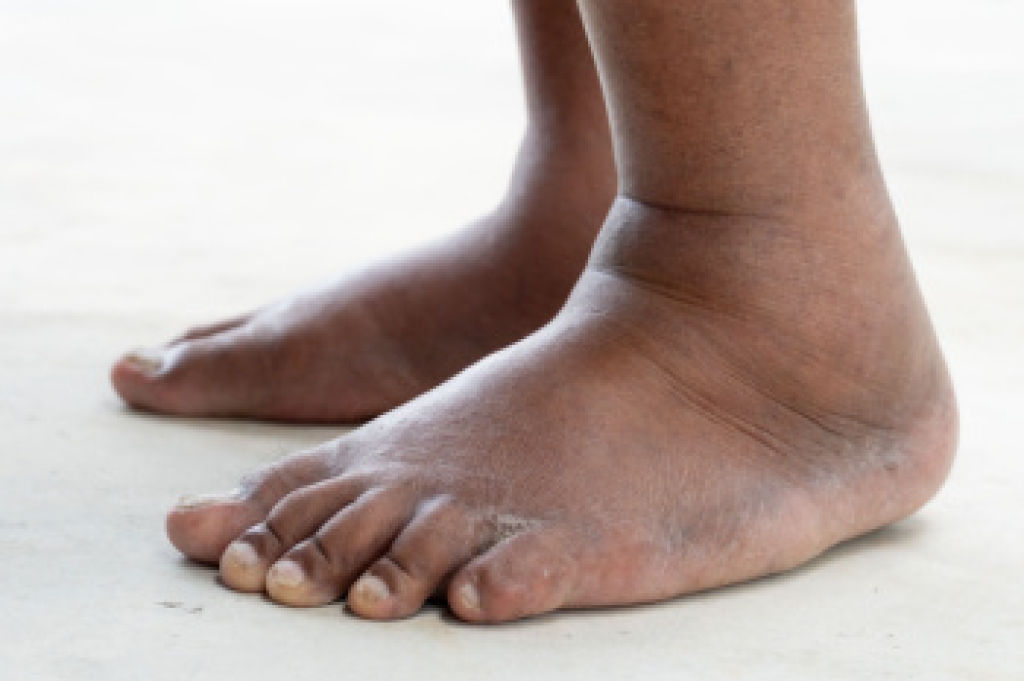
Ankle sprains occur when the ligaments that support the ankle joint stretch or tear. This injury is often caused by sudden twists, falls, uneven surfaces, or sports activities that put stress on the joint. The ankle may look swollen, bruised, or slightly deformed, and in severe cases it may appear unstable or misaligned. Many individuals feel sharp pain at the time of injury, followed by tenderness, stiffness, and difficulty bearing weight or walking normally. Up to 70 percent of ankle sprains affect the lateral ligaments on the outside of the ankle, and repeated sprains can lead to chronic instability if not treated properly. A podiatrist can start by evaluating the ankle, checking the range of motion, and using imaging if needed to rule out fractures. Treatment may include elevation, bracing, targeted exercises, and guidance on safe return to activity. Prompt professional care helps reduce recovery time and prevent long-term complications. If you experience persistent ankle pain or swelling after an injury, it is suggested that you make an appointment with a podiatrist.

Although ankle sprains are common, they aren’t always minor injuries. If you need your ankle injury looked at, contact Theresa Brown, DPM from Essie M.B. Smith Foot Clinic. Our doctor can provide the care you need to keep you pain-free and on your feet.

How Does an Ankle Sprain Occur?

Ankle sprains are the result of a tear in the ligaments within the ankle. These injuries may happen when you make a rapid shifting movement while your foot is planted. A less common way to sprain your ankle is when your ankle rolls inward while your foot turns outward.

What Are the Symptoms?

  • Pain at the sight of the tear
  • Bruising/Swelling
  • Ankle area is tender to touch
  • In severe cases, may hear/feel something tear
  • Skin discoloration

Preventing a Sprain

  • Wearing appropriate shoes for the occasion
  • Stretching before exercises and sports
  • Knowing your limits

Treatment of a Sprain

In many cases, the RICE method (Rest, Ice, Compression, and Elevate) is used to treat ankle sprains. However, you should see a podiatrist to see which treatment option would work best with your injury. In severe cases, surgery may be required.

It is important to ask your doctor about rehab options after you receive treatment for your injury. Stretching, strength training, and balance exercises may help the ankle heal while also preventing further injury.

If you have any questions, please feel free to contact our office located in Montgomery, AL . We offer the newest diagnostic and treatment technologies for all your foot care needs.

Read more about Ankle Sprains

Keep Your Feet Healthy So You Can Stay Active

Have your feet inspected by a professional before starting a new sport or physical activity. Taking charge of your foot health will keep you in good physical condition and can help you avoid a potential injury, such as a fracture or sprained ankle.

Prevent injuries and see a foot specialist.

Causes and Symptoms of Poor Foot Circulation

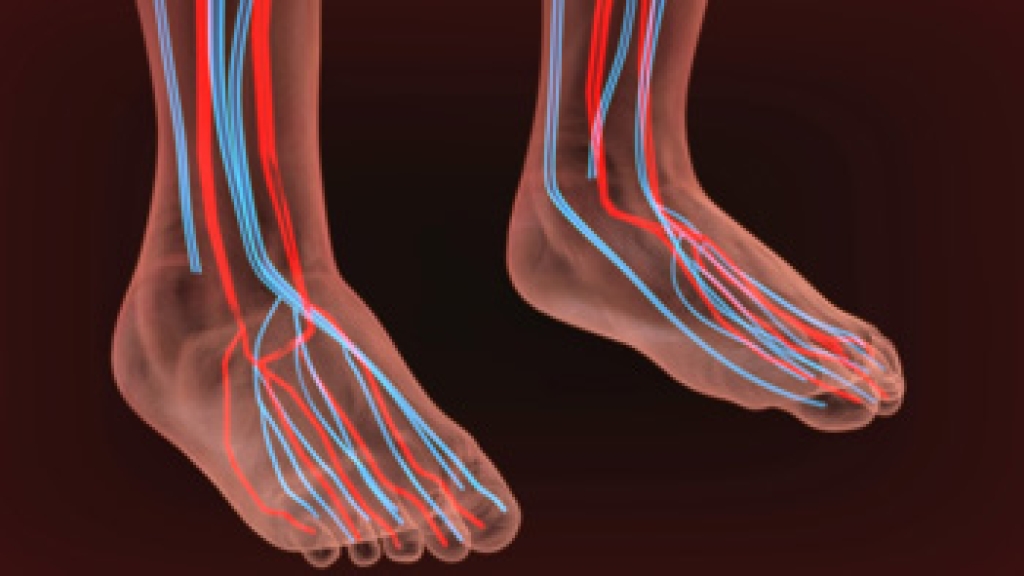
Poor circulation occurs when blood flow through the vessels becomes limited, reducing the oxygen and nutrients that reach the feet. This issue affects the feet because they are the farthest from the heart and rely on strong vascular health for proper function. Signs of poor circulation include numbness, tingling, swelling, color changes, and cramping after activity or rest. Common causes include peripheral artery disease, diabetes, and smoking, all of which damage blood vessels and restrict flow. A podiatrist can identify circulation problems through specialized exams and provide treatments that improve blood flow, protect the skin, and prevent complications. If you notice changes in foot comfort or color, it is suggested that you consult a podiatrist who can provide a proper diagnosis and treatment. 

Poor circulation is a serious condition and needs immediate medical attention. If you have any concerns with poor circulation in your feet contact Theresa Brown, DPM of Essie M.B. Smith Foot Clinic. Our doctor will treat your foot and ankle needs.

Poor Circulation in the Feet

Poor blood circulation in the feet and legs is can be caused by peripheral artery disease (PAD), which is the result of a buildup of plaque in the arteries.

Plaque buildup or atherosclerosis results from excess calcium and cholesterol in the bloodstream. This can restrict the amount of blood which can flow through the arteries. Poor blood circulation in the feet and legs are sometimes caused by inflammation in the blood vessels, known as vasculitis.

Causes

Lack of oxygen and oxygen from poor blood circulation restricts muscle growth and development. It can also cause:

  • Muscle pain, stiffness, or weakness 
  • Numbness or cramping in the legs
  • Skin discoloration
  • Slower nail & hair growth
  • Erectile dysfunction

Those who have diabetes or smoke are at greatest risk for poor circulation, as are those who are over 50. If you have poor circulation in the feet and legs it may be caused by PAD and is important to make changes to your lifestyle in order to reduce risk of getting a heart attack or stroke. Exercise and maintaining a healthy lifestyle will dramatically improve conditions.

As always, see a podiatrist as he or she will assist in finding a regimen that suits you. A podiatrist can also prescribe you any needed medication. 

If you have any questions, please feel free to contact our office located in Montgomery, AL . We offer the newest diagnostic and treatment technologies for all your foot care needs.
Read more about Causes, Symptoms, and Treatment of Poor Blood Circulation in the Feet

What Are Common Symptoms of Diabetes?

Diabetes, a chronic metabolic disorder, manifests through various subtle yet significant symptoms that warrant attention. Excessive thirst, a hallmark sign, results from the body's attempt to flush out excess sugar through increased urine production. Frequent urination, often accompanied by an unquenchable thirst, signifies that the kidneys are working overtime to eliminate surplus glucose. Persistent fatigue, even when there is adequate rest, can be attributed to the body's struggle to utilize glucose efficiently for energy. Unexplained weight loss may occur as the cells starve due to insufficient glucose absorption. Elevated hunger levels, paradoxically, can coexist with weight loss, as the body craves more energy in the absence of efficient glucose utilization. The skin on the feet may become dry as a result of having diabetes, and foot wounds that heal slowly may be indicative of compromised immune function, also associated with diabetes. If you have diabetes, it is strongly suggested that you visit a podiatrist who can perform routine foot exams and offer effective treatment options.

Diabetic foot care is important in preventing foot ailments such as ulcers. If you are suffering from diabetes or have any other concerns about your feet, contact Theresa Brown, DPM from Essie M.B. Smith Foot Clinic. Our doctor can provide the care you need to keep you pain-free and on your feet.

Diabetic Foot Care

Diabetes affects millions of people every year. The condition can damage blood vessels in many parts of the body, especially the feet. Because of this, taking care of your feet is essential if you have diabetes, and having a podiatrist help monitor your foot health is highly recommended.

The Importance of Caring for Your Feet

  • Routinely inspect your feet for bruises or sores.
  • Wear socks that fit your feet comfortably.
  • Wear comfortable shoes that provide adequate support.

Patients with diabetes should have their doctor monitor their blood levels, as blood sugar levels play such a huge role in diabetic care. Monitoring these levels on a regular basis is highly advised.

It is always best to inform your healthcare professional of any concerns you may have regarding your feet, especially for diabetic patients. Early treatment and routine foot examinations are keys to maintaining proper health, especially because severe complications can arise if proper treatment is not applied.

If you have any questions, please feel free to contact our office located in Montgomery, AL . We offer the newest diagnostic and treatment technologies for all your foot care needs.

Read more about How to Care for Diabetic Foot

Understanding Sever’s Disease in Growing Children

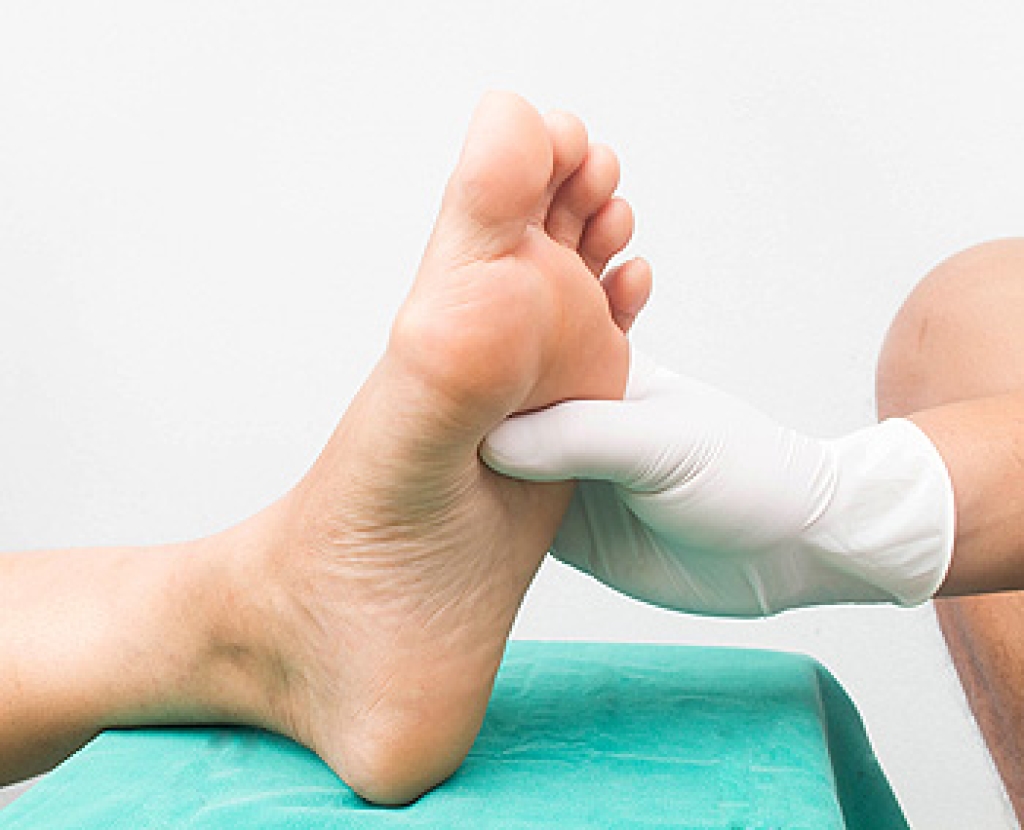
Sever’s disease, also known as calcaneal apophysitis, is a common cause of heel pain in growing children and adolescents, especially those who are active in sports. It occurs when the growth plate in the heel becomes irritated due to repetitive stress or excessive impact. Symptoms often include heel pain during or after activity, tenderness when the heel is squeezed, limping, or difficulty walking barefoot. The affected area may appear slightly swollen or red, and the pain often worsens with running or jumping. Causes include rapid growth spurts, tight calf muscles, improper footwear, or overtraining. A podiatrist can diagnose Sever’s disease through a physical exam, gait analysis, and discussion of activity levels. Treatment focuses on reducing inflammation and relieving pressure through rest, supportive shoes, heel cups, or orthotics. Early management helps prevent recurring pain and allows children to stay active safely. It is suggested that you make an appointment with a podiatrist if your child experiences heel pain.

Sever's disease often occurs in children and teens. If your child is experiencing foot or ankle pain, see Theresa Brown, DPM from Essie M.B. Smith Foot Clinic. Our doctor can treat your child’s foot and ankle needs.

Sever’s Disease

Sever’s disease is also known as calcaneal apophysitis, which is a medical condition that causes heel pain I none or both feet. The disease is known to affect children between the ages of 8 and 14.

Sever’s disease occurs when part of the child’s heel known as the growth plate (calcaneal epiphysis) is attached to the Achilles tendon. This area can suffer injury when the muscles and tendons of the growing foot do not keep pace with bone growth. Therefore, the constant pain which one experiences at the back of the heel will make the child unable to put any weight on the heel. The child is then forced to walk on their toes.

Symptoms

Acute pain – Pain associated with Sever’s disease is usually felt in the heel when the child engages in physical activity such as walking, jumping and or running.

Highly active – Children who are very active are among the most susceptible in experiencing Sever’s disease, because of the stress and tension placed on their feet.

If you have any questions, please feel free to contact our office located in Montgomery, AL . We offer the newest diagnostic and treatment technologies for all your foot care needs.
Read more about Sever's Disease

How Diabetes Affects Toenails

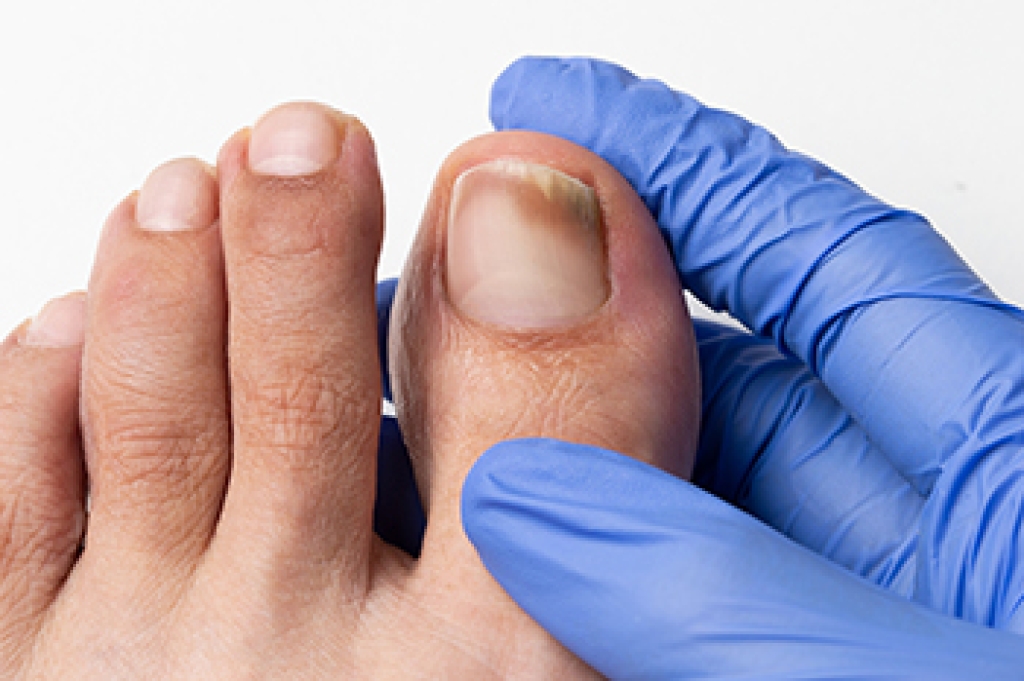
Diabetes can lead to various foot and toenail issues due to poor circulation, nerve damage, and compromised immune function. Common toenail problems in diabetics include onycholysis, which is a separation of the nail from the nail bed, ingrown toenails, fungal infections, and periungual erythema, which is redness around the nail. These conditions often arise because diabetes weakens the body’s ability to fight infections and heal wounds. Symptoms include pain, swelling, discoloration, or a thickened nail, which may become brittle or discolored. Fungal infections may cause the nail to crumble or thicken, while ingrown toenails can cause tenderness and redness. Treatment may involve antifungal medications, proper nail trimming techniques, or the use of custom orthotics to alleviate pressure. In more severe cases, a podiatrist may recommend medical intervention or even nail removal. Proper foot care, including regular check-ups with a podiatrist, is essential for preventing complications. If you are dealing with these types of issues, it is suggested that you make an appointment with a podiatrist.

If left untreated, toenail fungus may spread to other toenails, skin, or even fingernails. If you suspect you have toenail fungus it is important to seek treatment right away. For more information about treatment, contact Theresa Brown, DPM of Essie M.B. Smith Foot Clinic. Our doctor can provide the care you need to keep you pain-free and on your feet.

Symptoms

  • Warped or oddly shaped nails
  • Yellowish nails
  • Loose/separated nail
  • Buildup of bits and pieces of nail fragments under the nail
  • Brittle, broken, thickened nail

Treatment

If self-care strategies and over-the-counter medications does not help your fungus, your podiatrist may give you a prescription drug instead. Even if you find relief from your toenail fungus symptoms, you may experience a repeat infection in the future.

Prevention

In order to prevent getting toenail fungus in the future, you should always make sure to wash your feet with soap and water. After washing, it is important to dry your feet thoroughly especially in between the toes. When trimming your toenails, be sure to trim straight across instead of in a rounded shape. It is crucial not to cover up discolored nails with nail polish because that will prevent your nail from being able to “breathe”.

In some cases, surgical procedure may be needed to remove the toenail fungus. Consult with your podiatrist about the best treatment options for your case of toenail fungus.  

If you have any questions please contact our office located in Montgomery, AL . We offer the newest diagnostic and treatment technologies for all your foot and ankle needs.

Read more about Treating Toenail Fungus

Gout Pain Can Be Managed

Gout is a painful, inflammatory form of arthritis. Those affected will typically feel an intense stiffness in the joints of their feet, particularly in the big toe. Schedule a visit to learn about how gout can be managed and treated.

What to Know About Hammertoe Surgery

Hammertoes occur when one or more toes bend abnormally at the middle joint, often due to muscle imbalance, wearing tight shoes, or underlying structural problems. When conservative treatments such as padding, footwear changes, or splints no longer relieve discomfort, surgery may be considered. Hammertoe surgery aims to straighten the affected toe, relieve pressure, and restore normal alignment. A podiatrist may remove a small piece of bone, release a tightened tendon, or realign the joint, depending on the severity of the deformity. Recovery typically involves rest, wearing protective footwear, and a gradual return to activity with guidance from your podiatrist. If you are experiencing pain, irritation, or difficulty wearing shoes due to a hammertoe, it is suggested that you consult a podiatrist to discuss whether surgical correction may be the best option for long-term comfort and function.

Foot surgery is sometimes necessary to treat a foot ailment. To learn more, contact Theresa Brown, DPM of Essie M.B. Smith Foot Clinic. Our doctor will assist you with all of your foot and ankle needs.

When Is Surgery Necessary?

Foot and ankle surgery is generally reserved for cases in which less invasive, conservative procedures have failed to alleviate the problem. Some of the cases in which surgery may be necessary include:

  • Removing foot deformities like bunions and bone spurs
  • Severe arthritis that has caused bone issues
  • Cosmetic reconstruction

What Types of Surgery Are There?

The type of surgery you receive will depend on the nature of the problem you have. Some of the possible surgeries include:

  • Bunionectomy for painful bunions
  • Surgical fusion for realignment of bones
  • Neuropathy decompression surgery to treat nerve damage

Benefits of Surgery

Although surgery is usually a last resort, it can provide more complete pain relief compared to non-surgical methods and may allow you to finally resume full activity.

Surgical techniques have also become increasingly sophisticated. Techniques like endoscopic surgery allow for smaller incisions and faster recovery times.

If you have any questions, please feel free to contact our office located in Montgomery, AL . We offer the newest diagnostic and treatment technologies for all your foot care needs.

Read more about Foot and Ankle Surgery

Calcaneal Osteomyelitis From a Puncture Wound

Calcaneal osteomyelitis is a serious bone infection in the heel that can develop after a puncture wound to the foot. When bacteria enter through a deep wound, they can reach the bone and cause inflammation, pain, swelling, and difficulty walking. Early care is vital to prevent serious complications. Cleaning the wound thoroughly, avoiding pressure on the heel, and seeking prompt medical attention from a podiatrist can reduce the risk of infection. This foot doctor can diagnose the condition through imaging tests and provide treatment that may include antibiotics, wound care, and surgical management, if necessary. If you have sustained a puncture wound on your foot,  it is suggested that you schedule an appointment with a podiatrist who can provide an examination and offer appropriate treatment.

Wound care is an important part in dealing with diabetes. If you have diabetes and a foot wound or would like more information about wound care for diabetics, consult with Theresa Brown, DPM from Essie M.B. Smith Foot Clinic. Our doctor will assess your condition and provide you with quality foot and ankle treatment.

What Is Wound Care?

Wound care is the practice of taking proper care of a wound. This can range from the smallest to the largest of wounds. While everyone can benefit from proper wound care, it is much more important for diabetics. Diabetics often suffer from poor blood circulation which causes wounds to heal much slower than they would in a non-diabetic. 

What Is the Importance of Wound Care?

While it may not seem apparent with small ulcers on the foot, for diabetics, any size ulcer can become infected. Diabetics often also suffer from neuropathy, or nerve loss. This means they might not even feel when they have an ulcer on their foot. If the wound becomes severely infected, amputation may be necessary. Therefore, it is of the upmost importance to properly care for any and all foot wounds.

How to Care for Wounds

The best way to care for foot wounds is to prevent them. For diabetics, this means daily inspections of the feet for any signs of abnormalities or ulcers. It is also recommended to see a podiatrist several times a year for a foot inspection. If you do have an ulcer, run the wound under water to clear dirt from the wound; then apply antibiotic ointment to the wound and cover with a bandage. Bandages should be changed daily and keeping pressure off the wound is smart. It is advised to see a podiatrist, who can keep an eye on it.

If you have any questions please contact our office located in Montgomery, AL . We offer the newest diagnostic and treatment technologies for all your foot and ankle needs.

Read more about Wound Care

Swollen Feet and When to Seek Care

Swollen feet occur when excess fluid builds up in the tissues of the lower extremities. This condition, termed edema, can result from standing or sitting for long periods but may also indicate underlying health concerns such as heart disease, kidney disease, liver disease, or chronic venous insufficiency. Swelling may cause discomfort, heaviness, or visible puffiness in the feet and ankles. A podiatrist can help determine the cause through a thorough evaluation and recommend treatment, such as compression therapy and circulation improvement. If your feet are consistently swollen, it is suggested that you consult a podiatrist who can provide an accurate diagnosis and offer effective relief tips.

Swollen feet can be a sign of an underlying condition. If you have any concerns, contact Theresa Brown, DPM of Essie M.B. Smith Foot Clinic. Our doctor can provide the care you need to keep you pain-free and on your feet.

Swollen feet are a common ailment among pregnant women and people who stand or sit for extended periods. Aging may increase the possibility of swollen feet and patients who are obese often notice when their feet are swelling too. There may be medical reasons why swollen feet occur:

  • Phlebitis - A condition that causes the veins to become inflamed and can also cause leg pain.
  • Liver disease - This may lead to low blood levels of albumin which is a protein. This can cause fluid in the blood to pass into the tissues and several areas of the body can become swollen.
  • Heart failure - When the heart doesn’t pump properly the blood that is normally pumped back to the heart can pool in the veins of the legs causing swollen feet.
  • Kidney disease - One of the main functions of the kidneys is releasing excess fluid in the body. This type of condition can make it difficult for the kidneys to function properly, and as a result the feet may become swollen.
  • Deep-vein thrombosis (DVT)- This is a serious condition where blood clots form in the veins of the legs. They can block the return of blood from the legs to the heart which may cause the feet to swell. It is important to be treated by a podiatrist if this condition is present.

Swollen feet can also be caused by bone and tendon conditions, including fractures, arthritis, and tendinitis. Additionally, there may be skin and toenail conditions and an infection may cause the feet to swell. Patients who take medicine to treat high blood pressure may be prone to getting swollen feet. 

Many patients elevate their feet to help relieve the swelling and this is generally a temporary remedy. When a podiatrist is consulted the reason behind the swelling can be uncovered and subsequently treated.

If you have any questions please contact our office located in Montgomery, AL . We offer the newest diagnostic and treatment technologies for all your foot and ankle needs.

Read more about Swelling of the Feet

Connect With Us