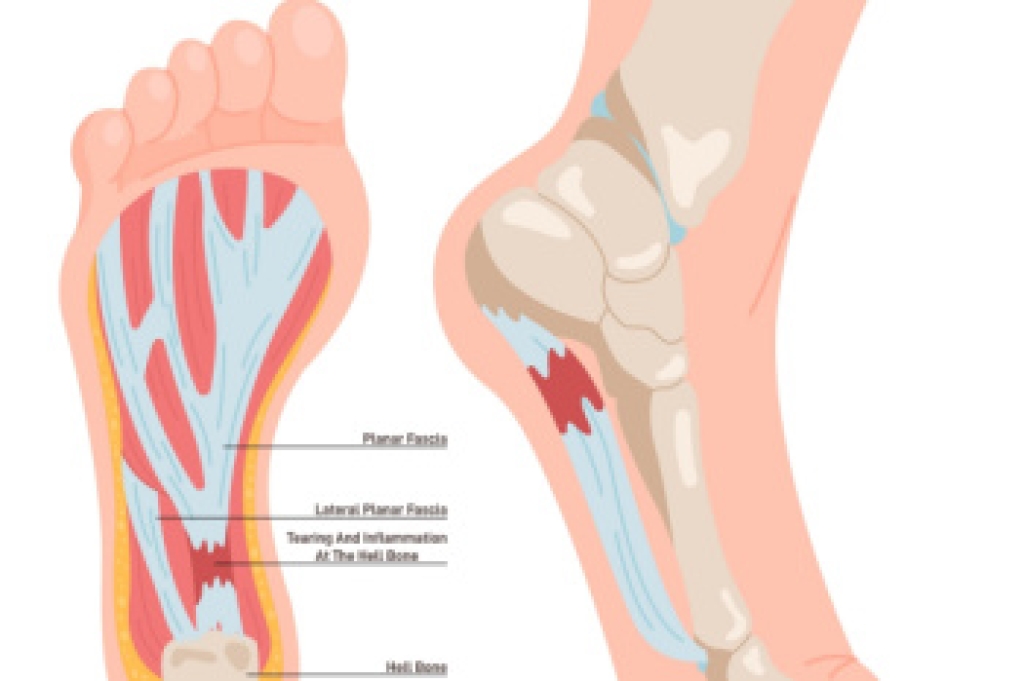
Plantar fasciitis develops when the plantar fascia becomes irritated and causes heel pain. This strong band of tissue runs along the bottom of the foot and helps support the arch. Symptoms often include sharp heel pain with the first steps after waking or sitting. Some people also notice aching after standing or walking for long periods.
Several factors can contribute to plantar fasciitis. Wearing unsupportive footwear every day may place repeated stress on the plantar fascia. Shoes with worn soles, poor arch support, or limited cushioning may not provide enough protection during daily activities. Tight shoes can also affect comfort and walking patterns. Other risk factors include increased activity, prolonged standing, and certain foot structures.
Routine footwear can have a long-term impact when it does not match your foot's needs. Continually wearing shoes that lack support may contribute to repeated strain and discomfort. Changing shoes regularly and choosing comfortable footwear with appropriate support helps reduce unnecessary stress. A podiatrist can also evaluate your foot structure, walking pattern, and symptoms. Treatment may include activity changes, supportive footwear, or custom orthotics, when appropriate.
When plantar fasciitis causes ongoing pain, a podiatrist will first examine the foot and discuss your symptoms and daily activities. Imaging tests may be recommended when another condition needs to be ruled out. Treatment focuses on reducing irritation and supporting healing. Follow-up visits allow the podiatrist to monitor progress and adjust care as needed. Early attention can help prevent persistent heel pain from interfering with daily life. This can make returning to activities more manageable and comfortable. If you have heel pain, it is suggested that you consult a podiatrist who can accurately diagnose and treat plantar fasciitis.
Plantar fasciitis can be very painful and inconvenient. If you are experiencing heel pain or symptoms of plantar fasciitis, contact Theresa Brown, DPM from Essie M.B. Smith Foot Clinic. Our doctor can provide the care you need to keep you pain-free and on your feet.
What Is Plantar Fasciitis?
Plantar fasciitis is the inflammation of the thick band of tissue that runs along the bottom of your foot, known as the plantar fascia, and causes mild to severe heel pain.
What Causes Plantar Fasciitis?
- Excessive running
- Non-supportive shoes
- Overpronation
- Repeated stretching and tearing of the plantar fascia
How Can It Be Treated?
- Conservative measures – anti-inflammatories, ice packs, stretching exercises, physical therapy, orthotic devices
- Shockwave therapy – sound waves are sent to the affected area to facilitate healing and are usually used for chronic cases of plantar fasciitis
- Surgery – usually only used as a last resort when all else fails. The plantar fascia can be surgically detached from the heel
While very treatable, plantar fasciitis is definitely not something that should be ignored. Especially in severe cases, speaking to your doctor right away is highly recommended to avoid complications and severe heel pain. Your podiatrist can work with you to provide the appropriate treatment options tailored to your condition.
If you have any questions, please feel free to contact our office located in Montgomery, AL . We offer the newest diagnostic and treatment technologies for all your foot care needs.