
Preventing Ladder Falls at Work

Ladder falls are a common workplace hazard that can cause serious injuries, especially for construction workers, painters, and roofers. A fall can happen when someone loses their balance, the ladder shifts during climbing, or working at height. Common symptoms after a fall include foot pain, swelling, and difficulty standing. Some injuries may not become obvious until several hours later. Risk factors include rushing through tasks, using damaged equipment, and working on uneven surfaces. Wearing unsuitable footwear also reduces grip and stability. Understanding ladder safety and recognizing potential injuries help workers protect their feet and reduce the risk of long-term complications.

Preventing ladder falls starts with choosing the correct ladder for the job. Select a ladder that reaches the required height without forcing you to stand on the top step or stretch beyond the side rails. Check the ladder’s duty rating to ensure it can safely support your weight and equipment. Before every use, inspect the rungs, feet, and rails for damage or wear. Never use a ladder with loose parts or missing safety components. Set it on firm, level ground and secure it according to the manufacturer’s instructions. Keep three points of contact while climbing, face the ladder, and wear slip-resistant work shoes. Avoid climbing when the ladder is wet or when strong winds make outdoor work unsafe.


A ladder fall can cause several foot and ankle conditions, depending on the landing position and force of impact. A fracture may occur when the heel strikes the ground. An ankle sprain can develop if the foot twists during landing. Bruising and soft-tissue injuries may also cause pain and swelling. Severe falls can damage tendons or joints, making walking difficult. Risk increases when workers carry heavy tools while climbing, rush between tasks, or use ladders that are too short. Even a seemingly minor fall deserves attention if pain persists. Avoid putting weight on a badly injured foot, and seek urgent medical care for a visible deformity, an open wound, or an inability to walk.


A podiatrist evaluates foot and ankle injuries after a workplace ladder fall by examining swelling, tenderness, and circulation. X-rays or other imaging tests may be needed to identify fractures or assess joint damage. Depending on the injury, treatment may include immobilization with a boot or cast. Follow instructions about weight-bearing and attend recommended follow-up visits to monitor healing. Returning to work too soon may worsen an injury or delay recovery. If you develop a foot condition after falling from a ladder at work, it is suggested that you consult a podiatrist for an accurate diagnosis and appropriate treatment.

Preventing falls among the elderly is very important. If you are older and have fallen or fear that you are prone to falling, consult with Theresa Brown, DPM from Essie M.B. Smith Foot Clinic. Our doctor will assess your condition and provide you with quality advice and care.

Every 11 seconds, an elderly American is being treated in an emergency room for a fall related injury. Falls are the leading cause of head and hip injuries for those 65 and older. Due to decreases in strength, balance, senses, and lack of awareness, elderly persons are very susceptible to falling. Thankfully, there are a number of things older persons can do to prevent falls.

How to Prevent Falls

Some effective methods that older persons can do to prevent falls include:

  • Enrolling in strength and balance exercise program to increase balance and strength
  • Periodically having your sight and hearing checked
  • Discuss any medications you have with a doctor to see if it increases the risk of falling
  • Clearing the house of falling hazards and installing devices like grab bars and railings
  • Utilizing a walker or cane
  • Wearing shoes that provide good support and cushioning
  • Talking to family members about falling and increasing awareness

Falling can be a traumatic and embarrassing experience for elderly persons; this can make them less willing to leave the house, and less willing to talk to someone about their fears of falling. Doing such things, however, will increase the likelihood of tripping or losing one’s balance. Knowing the causes of falling and how to prevent them is the best way to mitigate the risk of serious injury.  

If you have any questions, please feel free to contact our office located in Montgomery, AL . We offer the newest diagnostic and treatment technologies for all your foot care needs.

Read more about Falls Prevention

Foot Arthritis and How It Affects Daily Comfort

Foot arthritis develops when inflammation or damage affects the joints in the feet, causing pain and difficulty moving comfortably. Because the feet support body weight with every step, joint problems can interfere with walking and everyday activities. Common symptoms include stiffness, tenderness, and pain that may worsen with movement. Foot arthritis can affect the toes, midfoot, or ankle, depending on the type and severity. 

Osteoarthritis is a common type of foot arthritis that develops as protective cartilage gradually wears down. This process allows bones to rub against each other, leading to discomfort and stiffness. Previous injuries, repetitive stress, and abnormal foot structure increase the risk. Rheumatoid arthritis is an autoimmune disease in which the immune system attacks the joint lining, causing inflammation that may affect both feet. Psoriatic arthritis is another inflammatory condition associated with psoriasis. It can cause painful, swollen toes and inflammation where tendons attach to bones. Family history and immune system activity may contribute to these conditions.


Foot arthritis makes climbing stairs, standing for long periods and walking increasingly uncomfortable. Osteoarthritis often causes pain during activity, while rheumatoid arthritis may produce morning stiffness and symptoms in several joints. Psoriatic arthritis can cause entire toes to swell, sometimes creating a sausage-like appearance. Supportive footwear and activity adjustments may help reduce pressure on painful joints in the feet. Early evaluation is important because different forms of arthritis require different treatment approaches.


A podiatrist will review your symptoms, examine your feet, and assess joint movement. X-rays may reveal joint damage, while blood tests or other evaluations help identify inflammatory arthritis. Treatment options include anti-inflammatory medication, custom orthotics, or recommendations for managing joint stress. Severe joint damage may require surgical treatment. If you have symptoms of foot arthritis, it is suggested that you consult a podiatrist who will help you to manage this condition.

Arthritis can be a difficult condition to live with. If you are seeking treatment, contact Theresa Brown, DPM from Essie M.B. Smith Foot Clinic. Our doctor can provide the care you need to keep you pain-free and on your feet.

Arthritic Foot Care  

Arthritis is a joint disorder that involves the inflammation of different joints in your body, such as those in your feet. Arthritis is often caused by a degenerative joint disease and causes mild to severe pain in all affected areas. In addition to this, swelling and stiffness in the affected joints can also be a common symptom of arthritis.

In many cases, wearing ill-fitting shoes can worsen the effects and pain of arthritis. Wearing shoes that have a lower heel and extra room can help your feet feel more comfortable. In cases of rheumatoid arthritis, the arch in your foot may become problematic. Buying shoes with proper arch support that contour to your feet can help immensely.

Alleviating Arthritic Pain

  • Exercises that stretch the foot can prevent further pain and injury and increase mobility
  • Most of the pain can be alleviated with anti-inflammatory drugs, heat, and topical medications
  • Massages can help temporarily alleviate pain.

It is best to see your doctor for the treatment that is right for your needs and symptoms. Conditions vary, and a podiatrist can help you determine the right method of care for your feet.

If you have any questions please feel free to contact our office located in Montgomery, AL . We offer the newest diagnostic tools and technology to treat your foot and ankle needs.

Read more about Arthritic Foot Care

Heel Pain in the Morning?

Heel pain can negatively affect your day-to-day life. Simple activities like walking can become incredibly uncomfortable or painful due to heel pain.

Don’t live with heel pain and get treated.

Heel Pain Common Among Athletes

Heel pain can stop an athlete from training, competing, or moving comfortably. The location of the pain can provide a clue about its cause. Pain under the heel is frequently linked to plantar fasciitis, which is irritation of the tissue that supports the arch. Pain at the back of the heel also can involve the Achilles tendon or a fluid-filled sac called a bursa. Repeated impact can cause a heel-bone stress fracture. Sudden increases in training, hard playing surfaces, and wearing shoes that lack proper support can raise the risk of these problems.

Symptoms differ based on the injured area. Plantar fasciitis usually causes sharp pain with the first steps after rest, while an Achilles problem can hurt during running or jumping. A stress fracture can cause pain that becomes stronger with activity and may continue at rest. Because several conditions produce similar symptoms, athletes should avoid returning to full activity before the cause is identified. Continuing to train through pain can worsen tissue damage, change the way the athlete moves, and place added strain on other parts of the foot or ankle.

A podiatrist can examine the heel, review the athlete’s training pattern, and assess foot movement. X-rays can reveal some bone problems, while other imaging tests can identify a stress fracture or soft-tissue injury that is difficult to see. Treatment depends on the diagnosis and severity. A podiatrist can recommend temporary activity changes, supportive shoes, or custom orthotics to improve pressure distribution. Treatment can also include immobilization to protect an injured area. Surgery is reserved for severe injuries or problems that do not improve with other care. The podiatrist can guide a gradual return to sport and address training or shoe factors that could contribute to another injury. If you have heel pain after exercise or sports activity, it is suggested that you schedule an appointment with a podiatrist for a diagnosis and appropriate treatment.

Many people suffer from bouts of heel pain. For more information, contact Theresa Brown, DPM of Essie M.B. Smith Foot Clinic. Our doctor can provide the care you need to keep you pain-free and on your feet.

Causes of Heel Pain

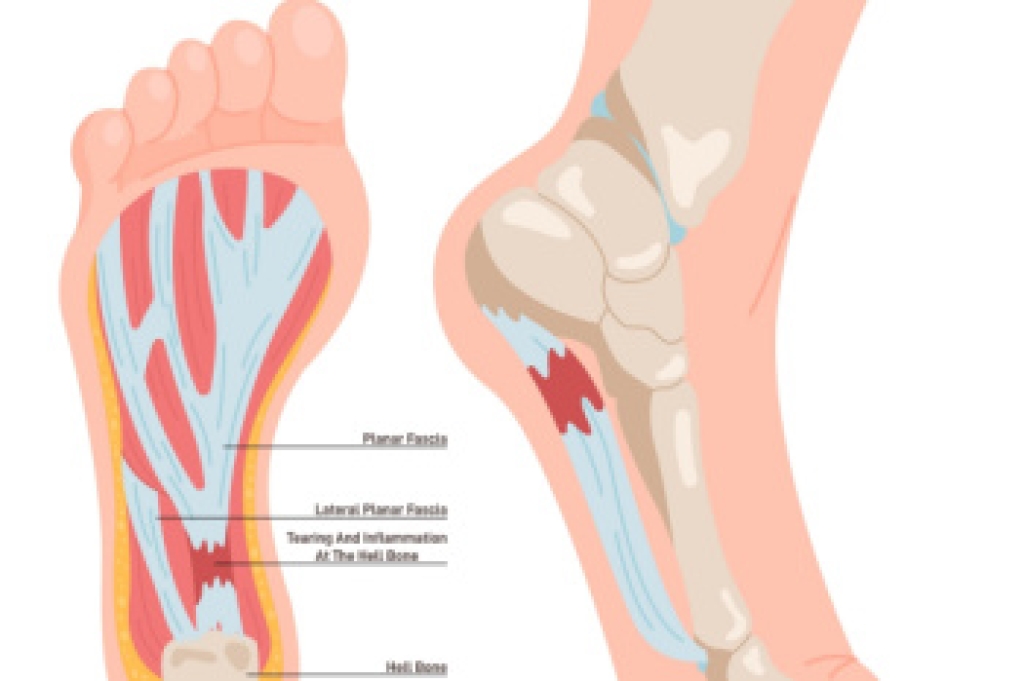
Heel pain is often associated with plantar fasciitis. The plantar fascia is a band of tissues that extends along the bottom of the foot. A rip or tear in this ligament can cause inflammation of the tissue.

Achilles tendonitis is another cause of heel pain. Inflammation of the Achilles tendon will cause pain from fractures and muscle tearing. Lack of flexibility is also another symptom.

Heel spurs are another cause of pain. When the tissues of the plantar fascia undergo a great deal of stress, it can lead to ligament separation from the heel bone, causing heel spurs.

Why Might Heel Pain Occur?

  • Wearing ill-fitting shoes                
  • Wearing non-supportive shoes
  • Weight change           
  • Excessive running

Treatments

Heel pain should be treated as soon as possible for immediate results. Keeping your feet in a stress-free environment will help. If you suffer from Achilles tendonitis or plantar fasciitis, applying ice will reduce the swelling. Stretching before an exercise like running will help the muscles. Using all these tips will help make heel pain a condition of the past.

If you have any questions, please feel free to contact our office located in Montgomery, AL . We offer the newest diagnostic and treatment technologies for all your foot care needs.

Read more about Heel Pain

Plantar Fasciitis and the Effects of Everyday Footwear

Plantar fasciitis  develops when the plantar fascia becomes irritated and causes heel pain. This strong band of tissue runs along the bottom of the foot and helps support the arch. Symptoms often include sharp heel pain with the first steps after waking or sitting. Some people also notice aching after standing or walking for long periods.

Several factors can contribute to plantar fasciitis. Wearing unsupportive footwear every day may place repeated stress on the plantar fascia. Shoes with worn soles, poor arch support, or limited cushioning may not provide enough protection during daily activities. Tight shoes can also affect comfort and walking patterns. Other risk factors include increased activity, prolonged standing, and certain foot structures.

Routine footwear can have a long-term impact when it does not match your foot's needs. Continually wearing shoes that lack support may contribute to repeated strain and discomfort. Changing shoes regularly and choosing comfortable footwear with appropriate support helps reduce unnecessary stress. A podiatrist can also evaluate your foot structure, walking pattern, and symptoms. Treatment may include activity changes, supportive footwear, or custom orthotics, when appropriate.

When plantar fasciitis causes ongoing pain, a podiatrist will first examine the foot and discuss your symptoms and daily activities. Imaging tests may be recommended when another condition needs to be ruled out. Treatment focuses on reducing irritation and supporting healing. Follow-up visits allow the podiatrist to monitor progress and adjust care as needed. Early attention can help prevent persistent heel pain from interfering with daily life. This can make returning to activities more manageable and comfortable. If you have heel pain, it is suggested that you consult a podiatrist who can accurately diagnose and treat plantar fasciitis.

Plantar fasciitis can be very painful and inconvenient. If you are experiencing heel pain or symptoms of plantar fasciitis, contact Theresa Brown, DPM  from Essie M.B. Smith Foot Clinic. Our doctor can provide the care you need to keep you pain-free and on your feet.

What Is Plantar Fasciitis?

Plantar fasciitis is the inflammation of the thick band of tissue that runs along the bottom of your foot, known as the plantar fascia, and causes mild to severe heel pain.

What Causes Plantar Fasciitis?

  • Excessive running
  • Non-supportive shoes
  • Overpronation
  • Repeated stretching and tearing of the plantar fascia

How Can It Be Treated?

  • Conservative measures – anti-inflammatories, ice packs, stretching exercises, physical therapy, orthotic devices
  • Shockwave therapy – sound waves are sent to the affected area to facilitate healing and are usually used for chronic cases of plantar fasciitis
  • Surgery – usually only used as a last resort when all else fails. The plantar fascia can be surgically detached from the heel

While very treatable, plantar fasciitis is definitely not something that should be ignored. Especially in severe cases, speaking to your doctor right away is highly recommended to avoid complications and severe heel pain. Your podiatrist can work with you to provide the appropriate treatment options tailored to your condition.

If you have any questions, please feel free to contact our office located in Montgomery, AL . We offer the newest diagnostic and treatment technologies for all your foot care needs.
Read more about Plantar Fasciitis

Connect With Us