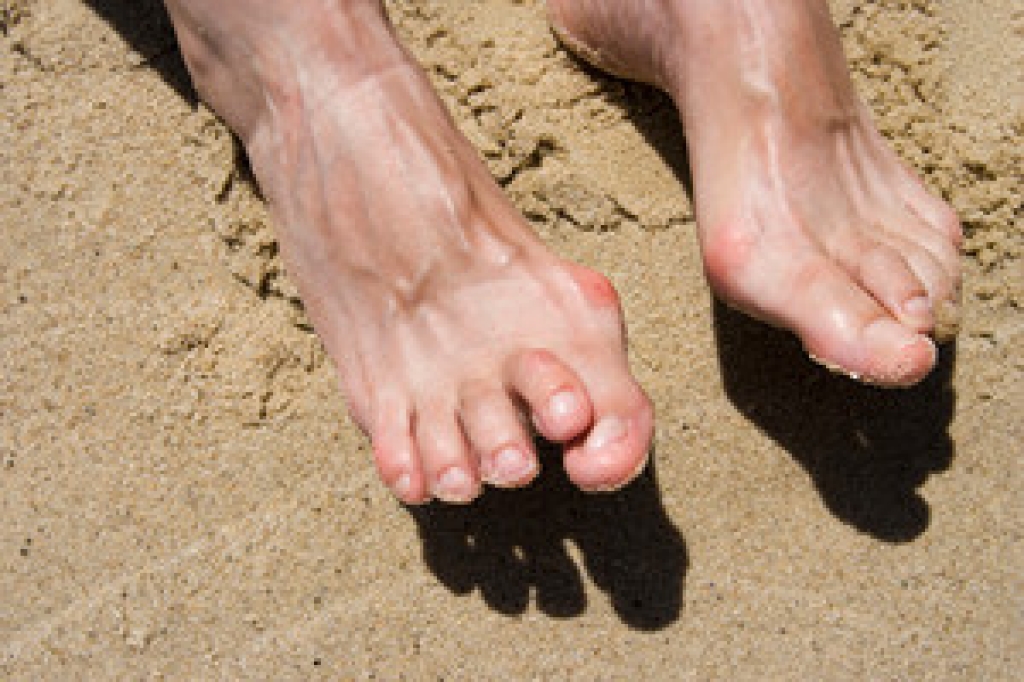
Understanding Charcot Neuroarthropathy and Why Early Care Matters

Charcot neuroarthropathy, or CN,  is a serious foot condition most often seen in people with nerve damage, especially those with diabetes. Because sensation is reduced, small injuries or stress fractures may go unnoticed. Continued walking on an injured foot can trigger inflammation, bone weakening, and joint collapse. The foot may become swollen, warm, red, and unstable, sometimes changing shape over a short period of time. Pain may be mild or absent, which can delay treatment. As the structure of the foot breaks down, pressure increases on certain areas, raising the risk of skin breakdown and ulcers. Early recognition and offloading are critical to slowing progression and protecting the foot. Management may include immobilization, custom bracing, and long-term footwear changes to maintain stability. If you notice unexplained swelling, warmth, or shape changes in your foot, it is suggested that you see a podiatrist promptly for evaluation and appropriate care.

Some foot conditions may require additional professional care. If you have any concerns, contact Theresa Brown, DPM of Essie M.B. Smith Foot Clinic. Our doctor can provide the care you need to keep you pain-free and on your feet.

Rare Foot Conditions

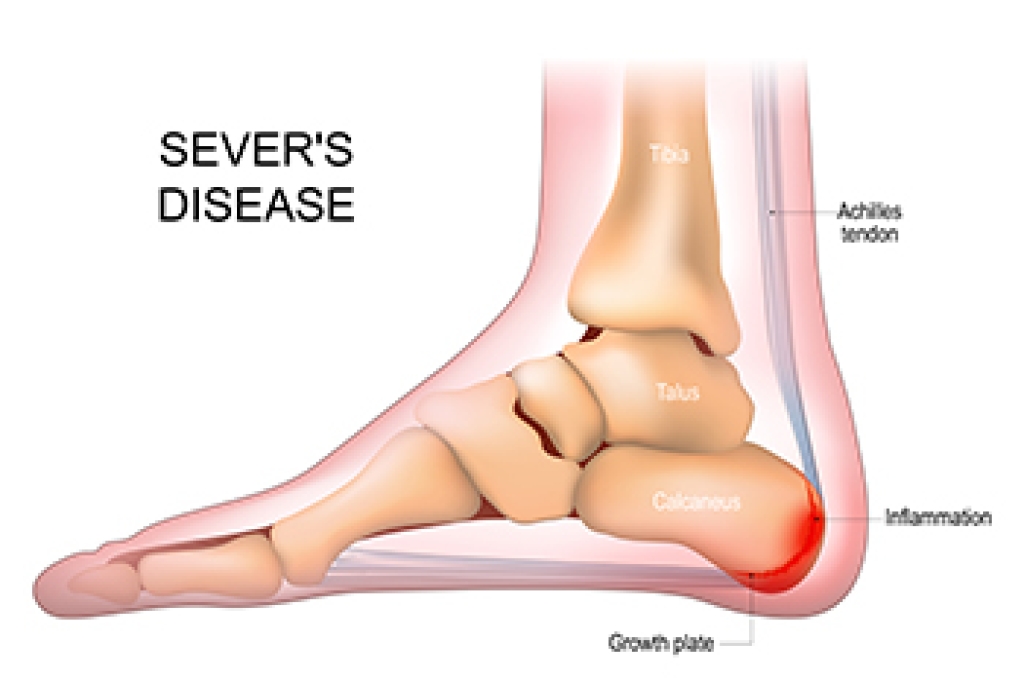
The majority of foot conditions are common and can be treated by a podiatrist.  Standard diagnostic procedures are generally used to identify specific conditions and treatment can be rendered. A podiatrist also treats rare foot conditions which can be difficult to diagnose and may need extra attention and care. 

There are many rare foot conditions that can affect children. Some of these can include:

  • Freiberg’s disease
  • Kohler’s disease
  • Maffucci syndrome

Freiberg’s disease - This can be seen as a deterioration and flattening of a metatarsal bone that exists in the ball of the foot. It typically affects pre-teen and teenage girls, but can affect anyone at any age. Symptoms that can accompany this can be swelling, stiffness, and the patient may limp. 

Kohler’s disease - This often targets the bone in the arch of the foot and affects younger boys. It can lead to an interruption of the blood supply which ultimately can lead to bone deterioration. The patient may limp or experience tenderness, swelling, and redness.

Maffucci syndrome - This affects the long bones in a child’s foot leading to the development of abnormal bone lesions. They are benign growths and typically develop in early childhood and the bones may be susceptible to breaking. 

A podiatrist can properly diagnose and treat all types of rare foot conditions. If your child is affected by any of these symptoms or conditions, please don’t hesitate to call our office so the correct treatment method can begin.

If you have any questions, please feel free to contact our office located in Montgomery, AL . We offer the newest diagnostic and treatment technologies for all your foot care needs.

Read more about Rare Foot Conditions

Why Live with Pain and Numbness in Your Feet?

Suffering from this type of pain? You may have the foot condition known as Morton's neuroma. Morton's neuroma may develop as a result of ill-fitting footwear and existing foot deformities. We can help.

When Soft Tissue Scarring and Inflammation Affect the Feet

Soft tissue in the feet includes muscles, tendons, ligaments, and connective tissue that allow movement and absorb daily stress. Injury, surgery, repetitive strain, or long-standing inflammation can lead to scar formation within these tissues. Scar tissue is less flexible than healthy tissue, which may cause stiffness, aching, or sharp discomfort with walking or standing. Inflammation often accompanies this process, contributing to swelling, warmth, and limited motion. Over time, altered gait patterns may place extra stress on surrounding areas, increasing the risk of ongoing pain or secondary problems. Early care can help reduce irritation and improve mobility through proper footwear, activity modification, and targeted treatments. Persistent symptoms should not be ignored, especially when they interfere with daily activities. If foot pain, stiffness, or swelling continues, it is suggested that you see a podiatrist for a proper diagnosis and treatment plan.

Foot Pain

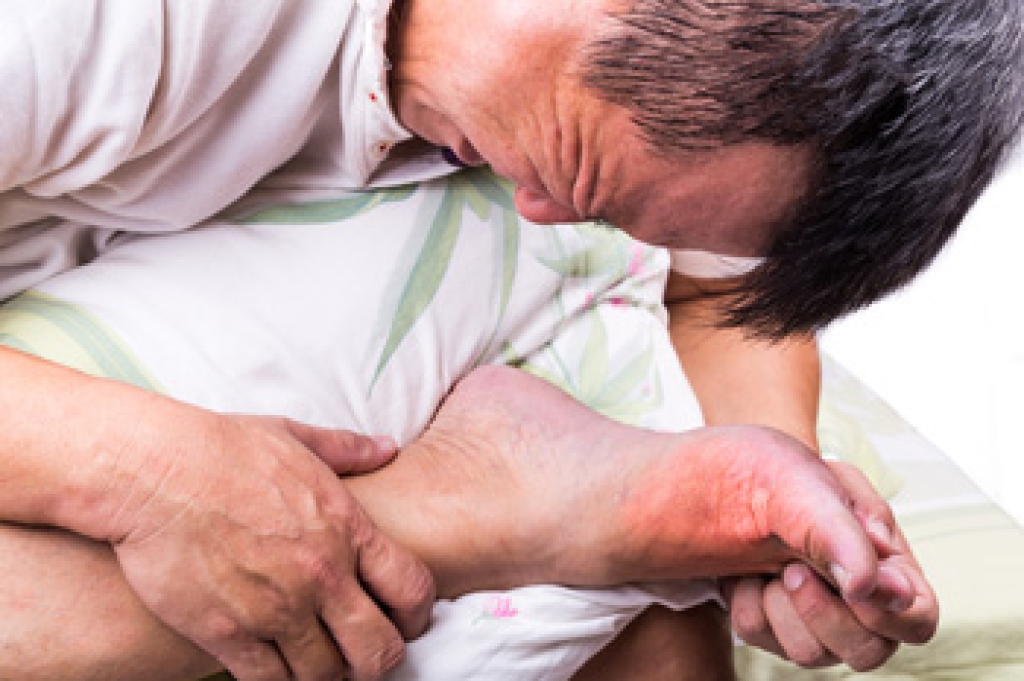
Foot pain can be extremely painful and debilitating. If you have a foot pain, consult with Theresa Brown, DPM from Essie M.B. Smith Foot Clinic. Our doctor will assess your condition and provide you with quality foot and ankle treatment.

Causes

Foot pain is a very broad condition that could be caused by one or more ailments. The most common include:

  • Bunions
  • Hammertoes
  • Plantar Fasciitis
  • Bone Spurs
  • Corns
  • Tarsal Tunnel Syndrome
  • Ingrown Toenails
  • Arthritis (such as Gout, Rheumatoid, and Osteoarthritis)
  • Flat Feet
  • Injury (from stress fractures, broken toe, foot, ankle, Achilles tendon ruptures, and sprains)
  • And more

Diagnosis

To figure out the cause of foot pain, podiatrists utilize several different methods. This can range from simple visual inspections and sensation tests to X-rays and MRI scans. Prior medical history, family medical history, and any recent physical traumatic events will all be taken into consideration for a proper diagnosis.

Treatment

Treatment depends upon the cause of the foot pain. Whether it is resting, staying off the foot, or having surgery; podiatrists have a number of treatment options available for foot pain.

If you have any questions, please feel free to contact our office located in Montgomery, AL . We offer the newest diagnostic and treatment technologies for all your foot care needs.
Read more about Foot Pain

When Ingrown Toenails Become More Than a Nuisance

Ingrown toenails develop when the edge of a nail grows into the surrounding skin, leading to redness, swelling, and pain along the nail border. Shoes that crowd the toes, improper trimming, repetitive pressure, and nail shape all contribute to this problem. While early cases may cause mild irritation, ongoing ingrowth can lead to infection, drainage, and difficulty wearing shoes or walking comfortably. Treatment depends on severity and recurrence. Conservative care may include careful trimming, soaking, and reducing pressure on the toe. When symptoms persist or return, a more advanced procedure is often recommended. In clinical practice, partial nail removal combined with treatment of the nail root is commonly used to prevent regrowth of the problematic edge. More invasive surgical approaches are far less frequently needed. If an ingrown toenail becomes painful, infected, or recurrent, it is suggested that an evaluation by a podiatrist can provide effective and lasting relief.

Ingrown toenails can become painful if they are not treated properly. For more information about ingrown toenails, contact Theresa Brown, DPM of Essie M.B. Smith Foot Clinic. Our doctor can provide the care you need to keep you pain-free and on your feet.

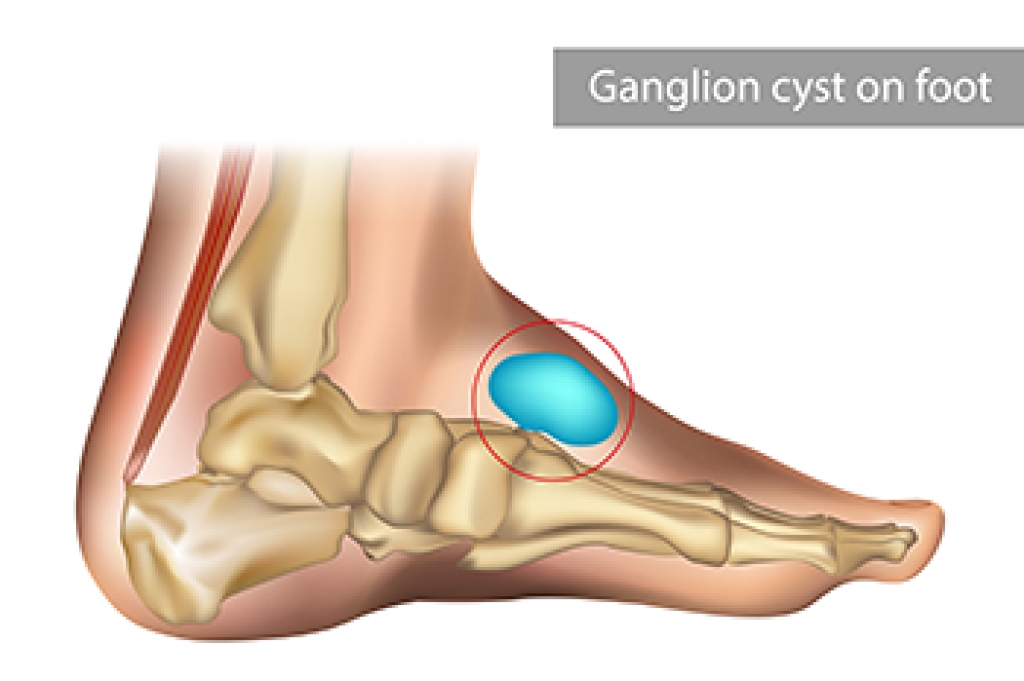
Ingrown Toenails

Ingrown toenails occur when a toenail grows sideways into the bed of the nail, causing pain, swelling, and possibly infection.

Causes

  • Bacterial infections
  • Improper nail cutting such as cutting it too short or not straight across
  • Trauma to the toe, such as stubbing, which causes the nail to grow back irregularly
  • Ill-fitting shoes that bunch the toes too close together
  • Genetic predisposition

Prevention

Wearing proper fitting shoes and using proper cutting techniques will also help decrease your risk of developing ingrown toenails.

Treatment

Ingrown toenails are a very treatable foot condition. In minor cases, soaking the affected area in salt or antibacterial soaps will not only help with the ingrown nail itself, but also help prevent any infections from occurring. In more severe cases, surgery is an option. In either case, speaking to your podiatrist about this condition will help you get a better understanding of specific treatment options that are right for you.

If you have any questions, please feel free to contact our office located in Montgomery, AL . We offer the newest diagnostic and treatment technologies for all your foot care needs.
Read more about Ingrown Toenail Care

When Pain on the Side of the Foot Slows Down Hikers

Cuboid stress fractures are uncommon but painful injuries that affect a small bone on the outer side of the midfoot. They often develop from repetitive loading rather than a single injury, making them easy to overlook early on. Runners, dancers, and people who walk long distances may notice a deep, aching discomfort that worsens with activity and improves with rest. Swelling, tenderness, and pain when pushing off the foot are common signs. Because symptoms can mimic tendon strain or arthritis, proper diagnosis is sometimes delayed. Imaging such as X rays or advanced scans may be needed to confirm the problem. Treatment usually focuses on reducing stress to the bone through activity modification, supportive footwear, and sometimes immobilization. With proper care, healing follows. It is suggested that anyone with persistent outer foot pain consider seeing a podiatrist for an accurate diagnosis and a treatment plan.

Cuboid syndrome, also known as cuboid subluxation, occurs when the joints and ligaments near the cuboid bone in the foot become torn. If you have cuboid syndrome, consult with Theresa Brown, DPM from Essie M.B. Smith Foot Clinic. Our doctor will assess your condition and provide you with quality foot and ankle treatment.

Cuboid syndrome is a common cause of lateral foot pain, which is pain on the outside of the foot. The condition may happen suddenly due to an ankle sprain, or it may develop slowly overtime from repetitive tension through the bone and surrounding structures.

Causes

The most common causes of cuboid syndrome include:

  • Injury – The most common cause of this ailment is an ankle sprain.
  • Repetitive Strain – Tension placed through the peroneus longus muscle from repetitive activities such as jumping and running may cause excessive traction on the bone causing it to sublux.
  • Altered Foot Biomechanics – Most people suffering from cuboid subluxation have flat feet.

Symptoms

A common symptom of cuboid syndrome is pain along the outside of the foot which can be felt in the ankle and toes. This pain may create walking difficulties and may cause those with the condition to walk with a limp.

Diagnosis

Diagnosis of cuboid syndrome is often difficult, and it is often misdiagnosed. X-rays, MRIs and CT scans often fail to properly show the cuboid subluxation. Although there isn’t a specific test used to diagnose cuboid syndrome, your podiatrist will usually check if pain is felt while pressing firmly on the cuboid bone of your foot.

Treatment

Just as the range of causes varies widely, so do treatments. Some more common treatments are ice therapy, rest, exercise, taping, and orthotics.

If you have any questions, please feel free to contact our office located in Montgomery, AL . We offer the newest diagnostic and treatment technologies for all your foot care needs.

Read more about Cuboid Syndrome

Connect With Us